




How NASCAR Teams Prepare for Superspeedways vs. Short Tracks: A Behind-the-Scenes Breakdown

Two Very Different Beasts — Why Track Type Changes Everything

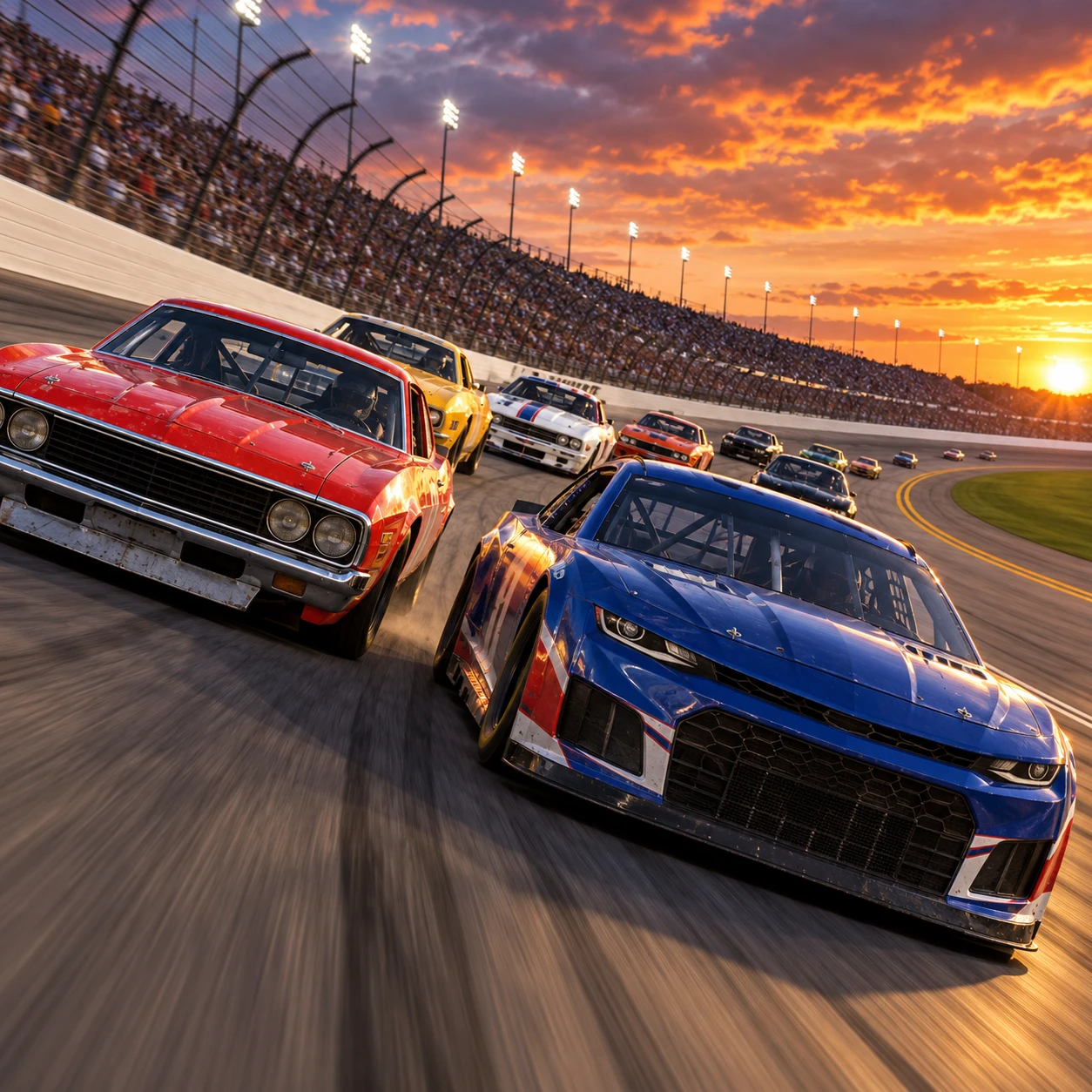
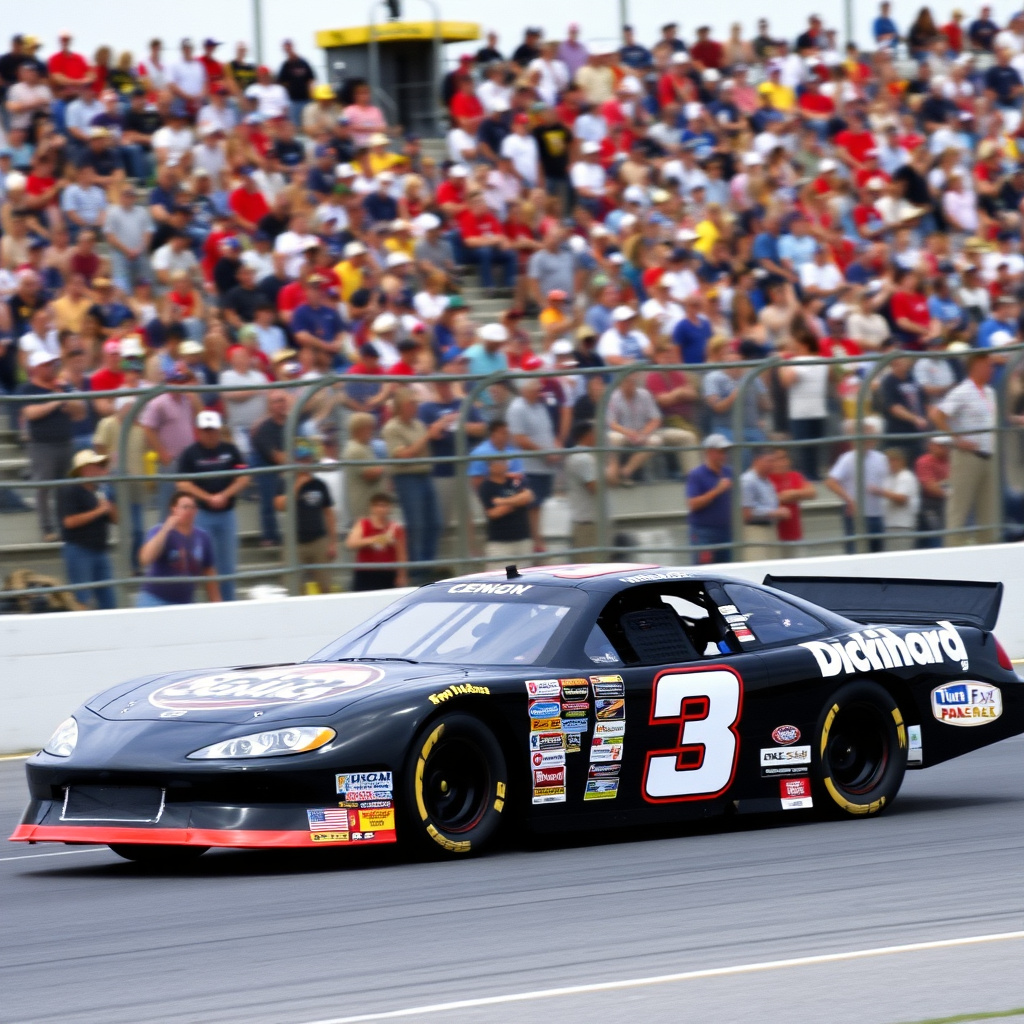
Superspeedways and short tracks represent the two most extreme environments in the NASCAR Cup Series, and they demand preparation philosophies that have almost nothing in common. At Daytona or Talladega, a car runs flat out for hours inside a massive draft, barely touching the brakes. At Bristol or Martinsville, it's a contact sport played at 100 mph with tire wear, brake temperatures, and lane choice deciding outcomes lap by lap.

The contrast isn't just about speed. It's about what the car needs to do, what the driver needs to manage, and what the crew chief needs to anticipate. Teams that excel at both track types aren't lucky — they've built organizational depth specifically designed to shift between these two worlds within the same season.

Understanding that contrast is the starting point for appreciating what elite NASCAR programs actually do during a race week.

Aerodynamic Setup — Downforce vs. Drag

The core aerodynamic difference is straightforward: superspeedways prioritize low drag for drafting efficiency, while short tracks demand mechanical grip because aerodynamic downforce at those speeds is minimal. How teams get there, though, involves a week of detailed work.

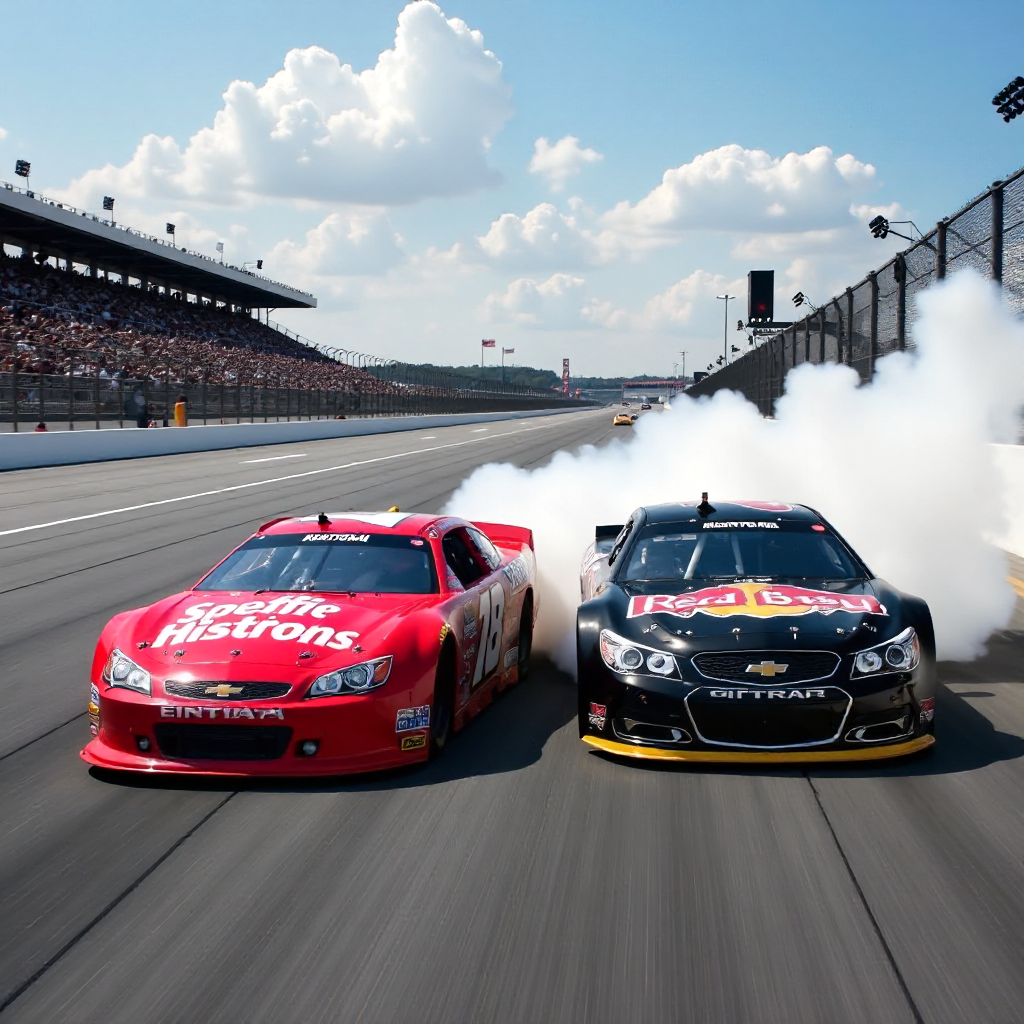
At Daytona and Talladega, the aerodynamic package is built around the draft. Teams tune front splitter angles, rear spoiler height, and body panel gaps to reduce aerodynamic drag so the car can push through the air efficiently when running in a pack. The goal isn't to generate maximum downforce — it's to stay glued to the car ahead and conserve momentum. A slight drag advantage can mean the difference between having a push partner and getting stranded alone at the front.

Short tracks flip that logic entirely. At Richmond or Bristol, speeds are low enough that aerodynamic downforce contributes relatively little to cornering grip. Teams focus instead on suspension geometry and mechanical balance. Rear spoiler settings are adjusted to legal minimums or tuned for stability under braking rather than high-speed cornering load. The car has to rotate cleanly through tight corners without aero dependency — which means the chassis setup carries almost all the burden.

Engine and Horsepower Management

Power output is controlled very differently depending on the track, and the tapered spacer is the defining variable at superspeedways. At Daytona and Talladega, NASCAR mandates a tapered spacer in the intake manifold that restricts airflow into the engine, limiting horsepower to prevent cars from reaching unsafe speeds in pack racing conditions. Teams don't have much room to differentiate on raw power here — the spacer levels that playing field significantly.

Short tracks are a different story. Without the horsepower restriction, engine builders focus on torque delivery, throttle response, and reliability under the repeated hard acceleration cycles that define a 500-lap race at Bristol. The engine has to survive constant load changes — full throttle, trail braking, back to throttle — without overheating or losing power consistency. Engine maps are tuned differently, cooling systems are configured for the thermal demands of slower, tighter racing, and builders pay close attention to how power comes in off the corner rather than peak top-end output.

The result is that the same base engine platform gets configured in meaningfully different ways depending on which track is next on the schedule.

Suspension, Springs, and Chassis Tuning

Chassis setup is where the most hands-on preparation work happens, and the differences between superspeedway and short-track configurations are substantial. Spring rates, wedge adjustment, and track bar position all get recalibrated based on banking angle, track surface roughness, and the g-forces the car will experience.

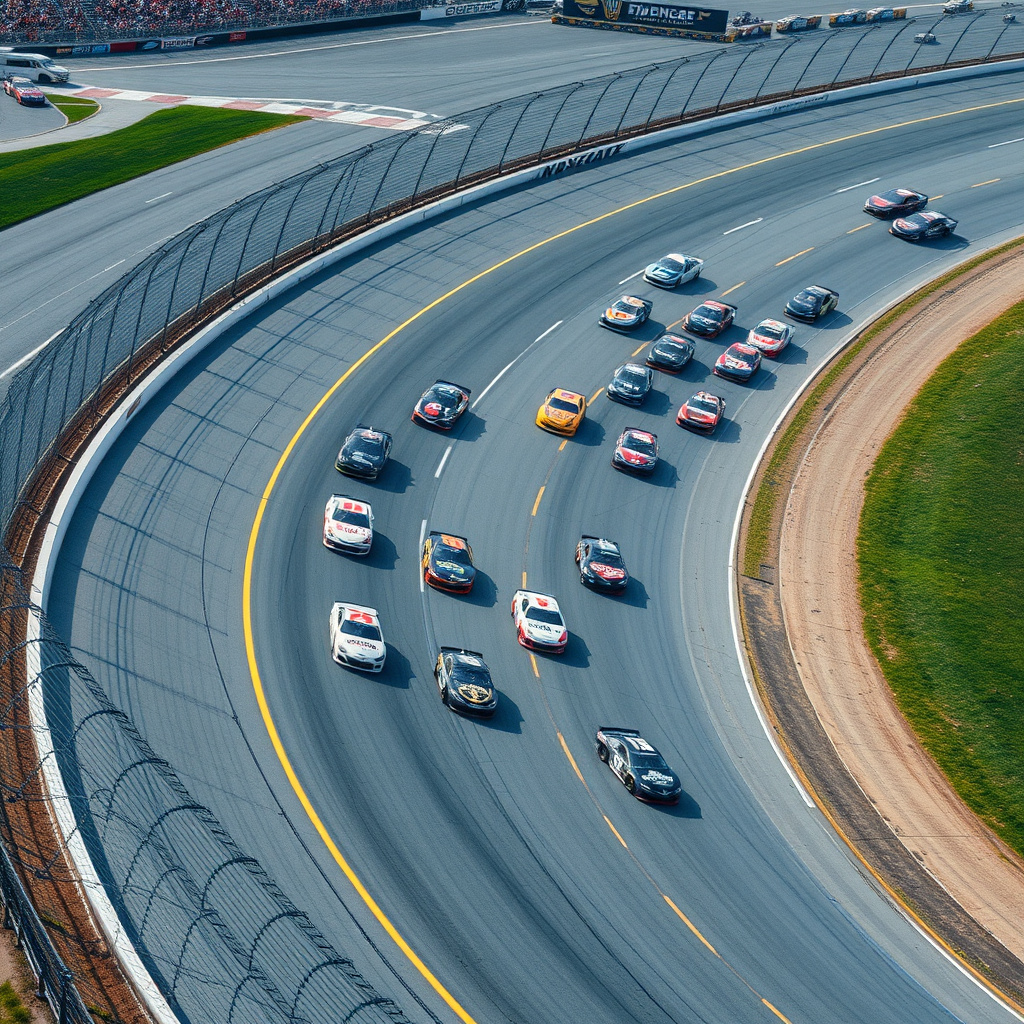
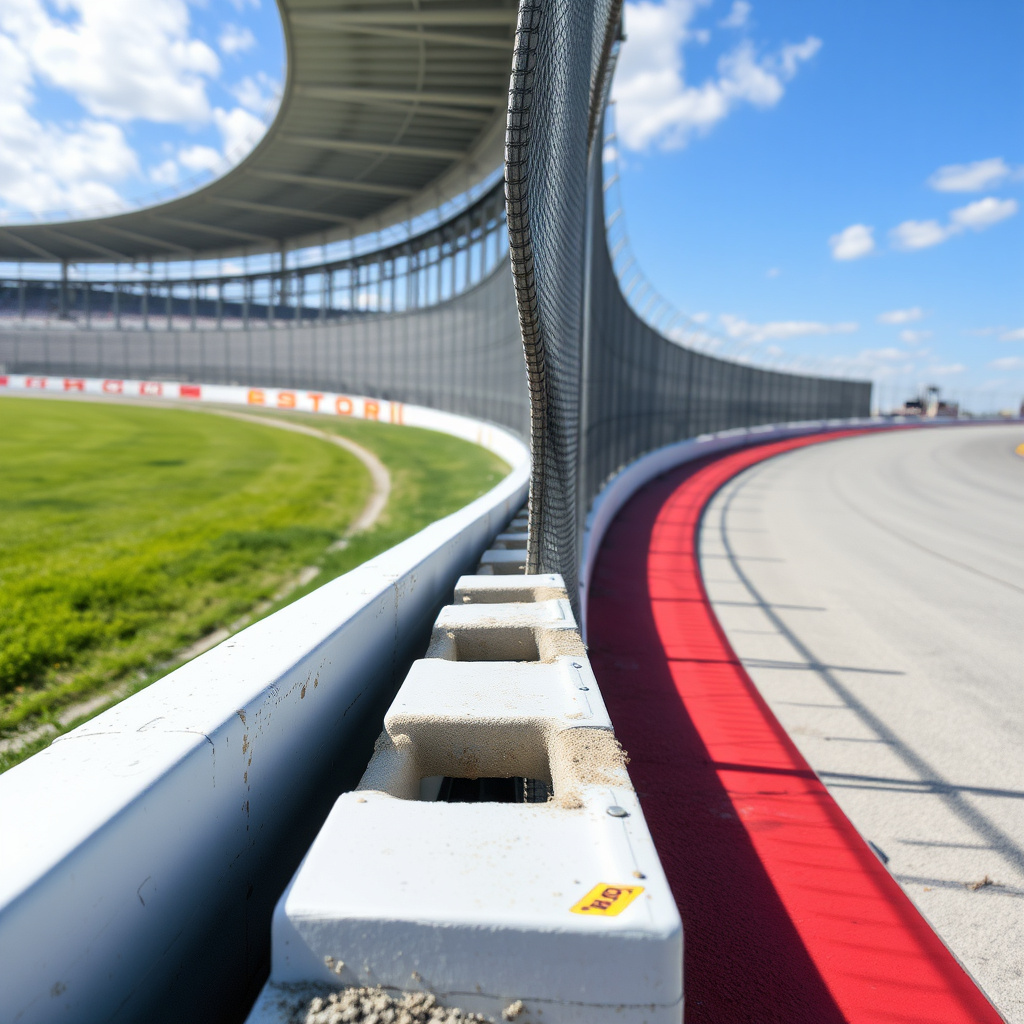
Superspeedways run very high banking — Talladega's turns reach 33 degrees — which means the car is constantly loaded into the banking. Teams typically run softer springs to allow the car to settle into the banking and maintain contact with the surface through the draft's aerodynamic disruptions. The chassis needs to absorb the push and pull of pack racing without unsettling the driver.

Short tracks like Martinsville run much flatter corners with abrasive surfaces. Spring rates go stiffer to control body roll and maintain consistent contact patch during hard cornering. Track bar height gets adjusted to tune the rear of the car's attitude through the corner. Wedge — the diagonal weight distribution across the four corners of the car — becomes a critical tool that crew chiefs adjust during pit stops to compensate for track rubber buildup or changing tire behavior as the race progresses.

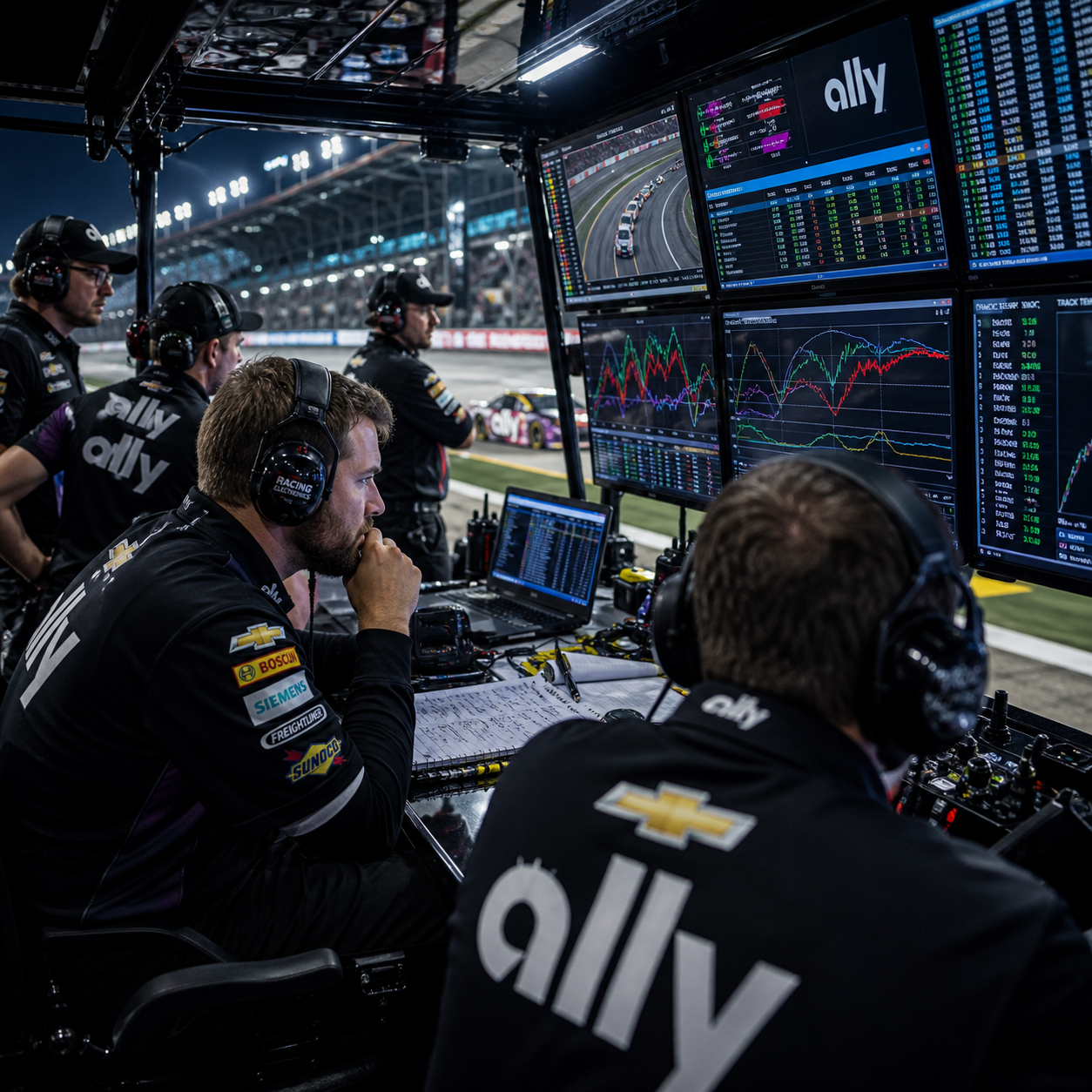
Modern teams rely heavily on road load data and simulation tools to arrive at baseline setups before the car ever leaves the shop. Engineers run virtual lap simulations using track surface data and tire models to predict how different spring combinations will behave. That simulation work reduces the number of adjustments needed in practice, which is increasingly valuable as NASCAR has cut practice time in recent seasons.

Tires, Braking, and Wear Strategy

Tire and brake management separates good short-track programs from great ones — and it's almost a non-factor at superspeedways. At Daytona and Talladega, teams rarely touch the brakes in meaningful ways, and tire wear over a run is modest because the car spends most of its time in a controlled, banked arc. Pit strategy at superspeedways is driven by fuel mileage and track position, not tire degradation.

Short tracks are the opposite. Brake bias — the front-to-rear distribution of braking force — requires precise calibration at Bristol and Martinsville because drivers are on the brakes hard entering corners hundreds of times per race. Get the bias wrong and the car either pushes wide or snaps loose under trail braking. Teams adjust brake bias remotely from the pit box during caution periods based on driver feedback.

Tire wear at short tracks can be severe, particularly on abrasive surfaces. Goodyear develops specific compounds for each track, and teams study wear data from previous events to predict how many laps a set of tires will remain competitive. That wear curve directly influences pit strategy — a team might take four tires when competitors take two if the data suggests a significant grip advantage in the final laps of a run justifies the extra pit road time.

Driver Preparation and Skill Sets

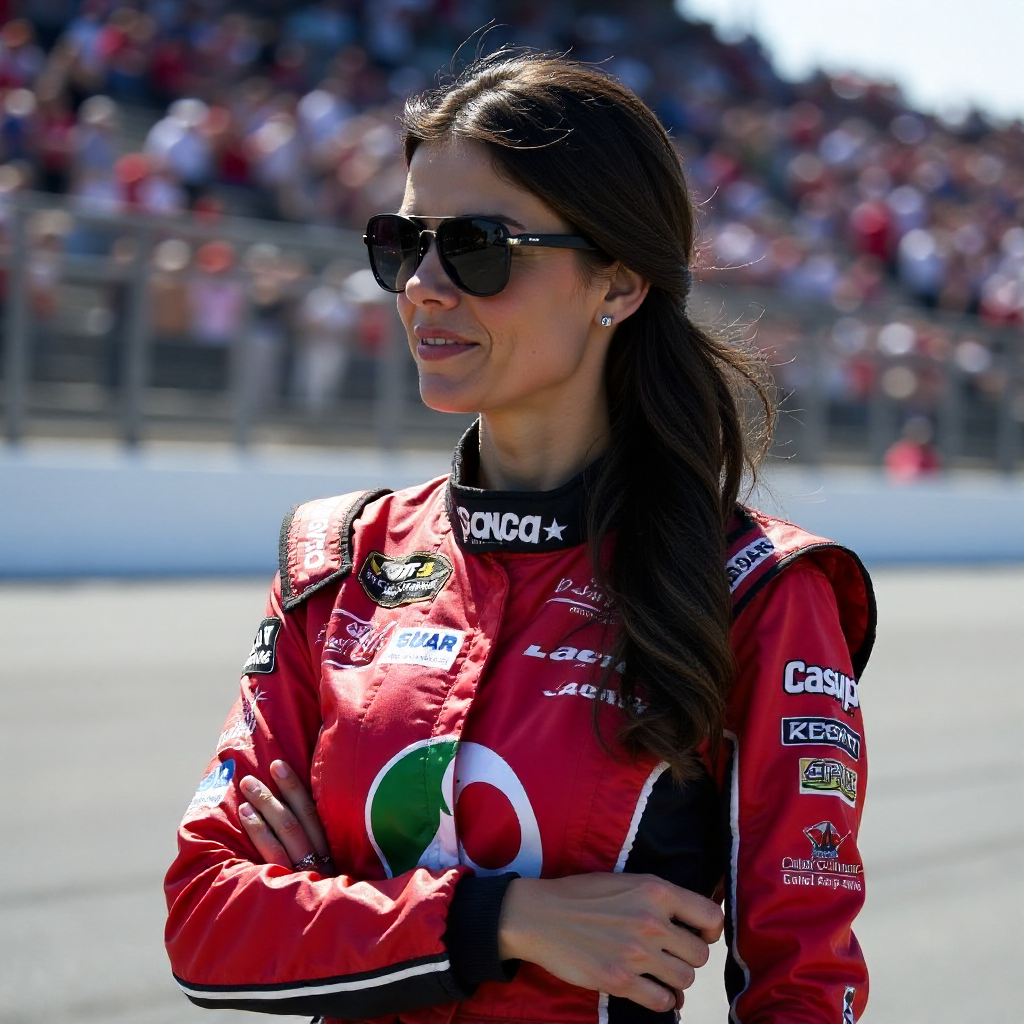
The mental and physical demands on a NASCAR driver shift dramatically between these track categories. Superspeedways require patience, spatial awareness in a 40-car pack, and the ability to manage risk over a long race before committing to a move in the final laps. Short tracks demand sustained aggression, precise car placement, and the physical endurance to fight the wheel through hundreds of tight corners.

At Daytona and Talladega, drafting instincts are the primary skill being tested. Drivers need to read the pack, identify push partners, and time their moves to avoid getting caught in the chaos that inevitably unfolds. The pace isn't physically punishing — it's mentally exhausting because one wrong decision in a pack of cars traveling 200 mph ends the day.

Short tracks are physically brutal. The constant steering inputs, the banging and bumping with competitors, and the g-forces through flat corners build fatigue across a 500-lap race. Drivers who thrive at Bristol and Martinsville typically have exceptional car control under pressure and the ability to maintain lap-time consistency even as their body tires and the car's handling changes with tire wear.

Preparation for each track type reflects these differences. Superspeedway race weeks involve extensive study of drafting video and communication drills with teammates. Short-track prep leans harder on simulator work to rehearse corner entry lines and practice managing an ill-handling car.

The Crew Chief's Game Plan — Strategy and Pit Road

The crew chief builds an entirely different strategic framework depending on track type, and that planning starts days before the car arrives at the venue. At superspeedways, fuel mileage and track position dominate the conversation. Because passing is relatively easy in the draft, gaining track position through pit strategy — staying out during cautions, cycling through pit stops efficiently — can be more valuable than raw car speed. Crew chiefs run fuel consumption models obsessively to identify opportunities to extend runs or catch competitors who pit early.

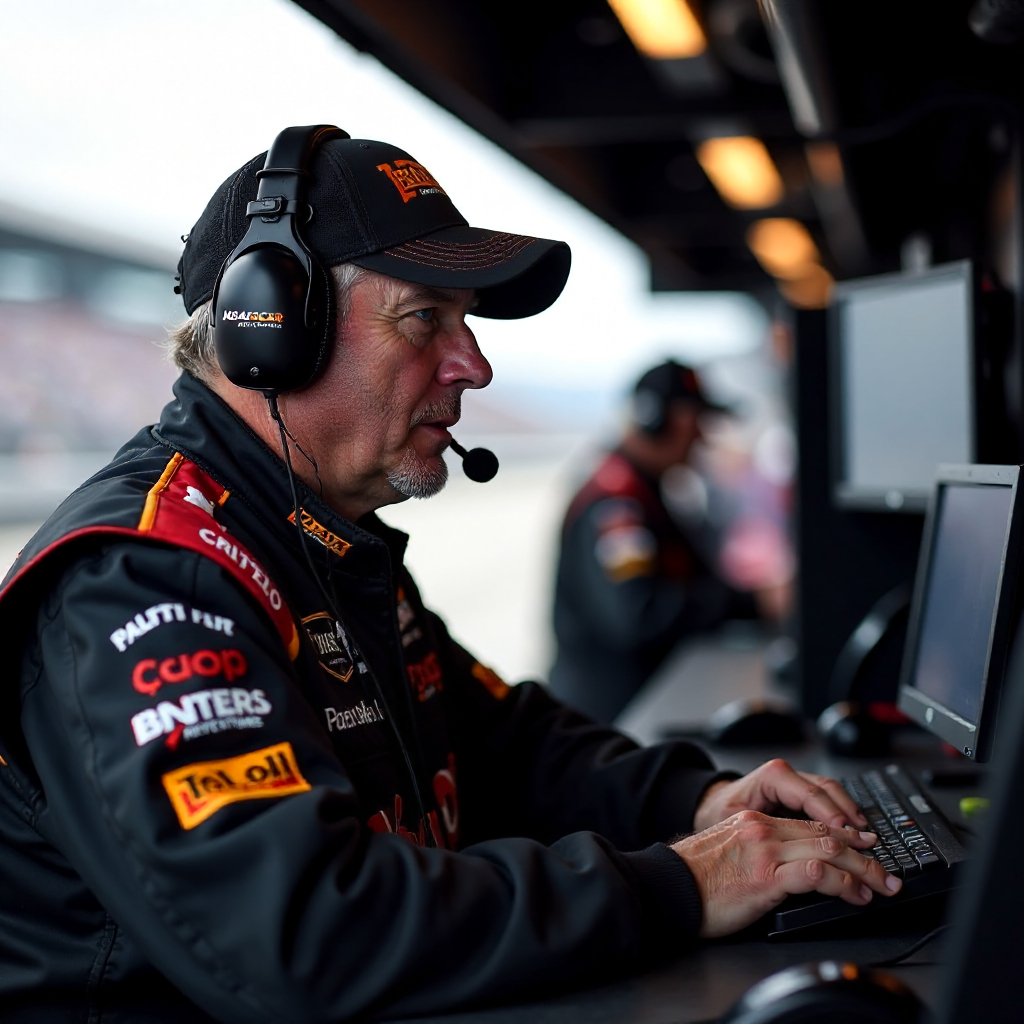
Short tracks shift the strategic focus toward tire management and in-race adjustments. The crew chief monitors lap times closely to identify when the car's handling is degrading, and they communicate adjustment options — wedge changes, track bar moves, air pressure tweaks — to the driver and over-the-wall crew. A well-timed adjustment on a caution period can transform a car that's been struggling all run into a threat for the lead.

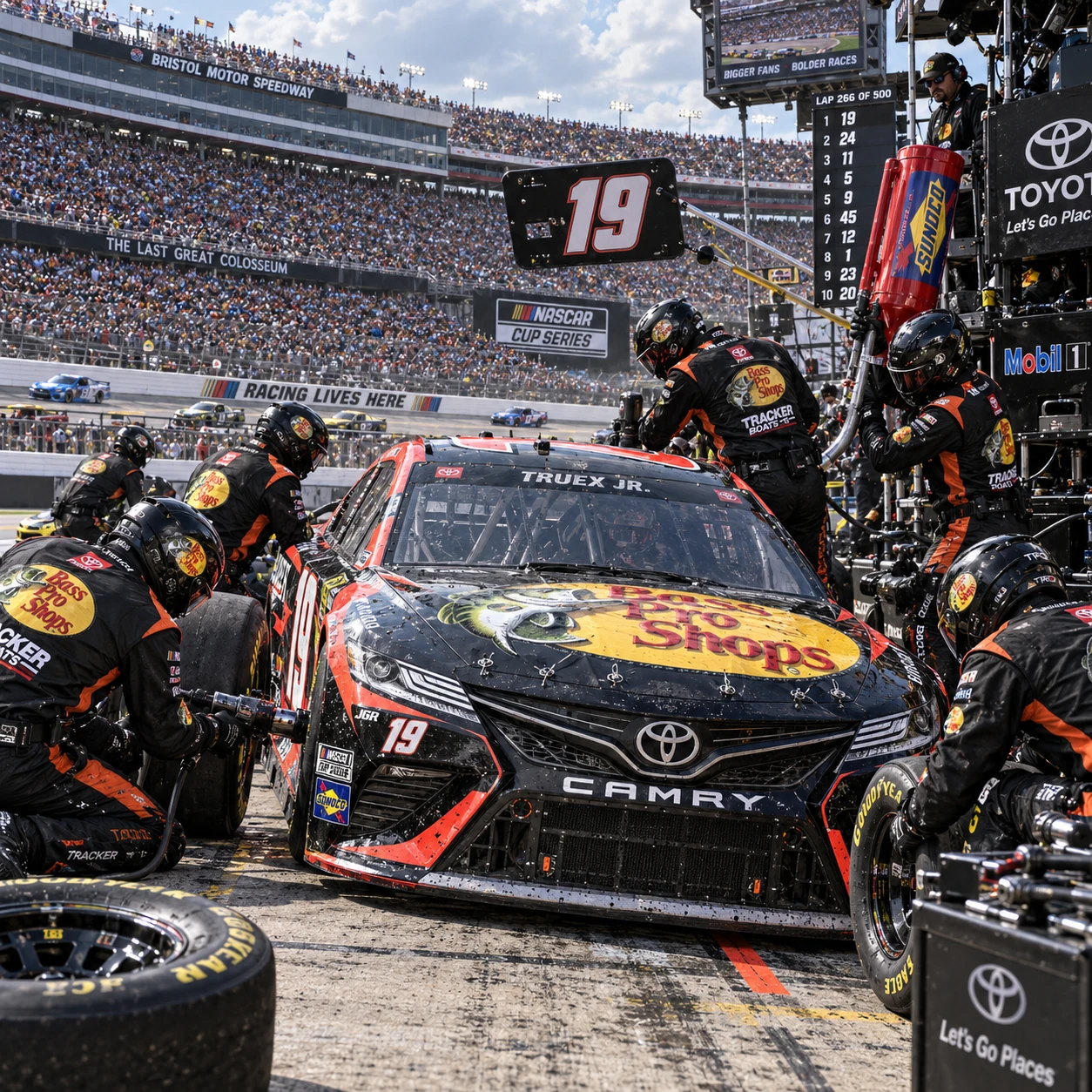
Pit road execution matters at both track types but in different ways. Superspeedway pit stops require choreography around track position and fuel windows. Short-track stops add the complexity of chassis adjustments under time pressure, where a single bolt turn on the wedge jack can change the car's balance for the next 50 laps.

The best crew chiefs in the Cup Series treat each track category as its own discipline — building checklists, reviewing historical data, and running pre-race scenario planning that accounts for the specific variables each environment introduces. That preparation depth, more than any single setup decision, is what separates programs that win at both Daytona and Bristol from those that only thrive at one.

Frequently Asked Questions

What is a tapered spacer and why is it used at superspeedways?

A tapered spacer is a restrictor device placed in the engine's intake manifold that limits airflow and reduces horsepower. NASCAR mandates its use at Daytona and Talladega to keep car speeds at safer levels during pack racing, where a full-power engine could push speeds into ranges that become unmanageable in close-quarters drafting situations.

Do NASCAR teams use completely different cars for superspeedways and short tracks?

Teams use the same Next Gen chassis platform across track types, but the configuration differs significantly. Body panels, suspension components, spring packages, and aerodynamic elements are all adjusted or swapped out based on the track. Teams maintain separate setups — sometimes separate dedicated builds — for superspeedway weekends versus short-track weekends.

Why is drafting so important at Daytona and Talladega but not at Bristol?

Drafting matters at superspeedways because the high speeds create significant aerodynamic drag. Running directly behind another car reduces that drag, allowing both cars to go faster than either could alone. At Bristol, speeds are too low for aerodynamic drag to be a meaningful factor, so the drafting effect is negligible and racing becomes about mechanical grip and track position.

How much time does a NASCAR team spend preparing for a single race weekend?

Preparation for a Cup Series race weekend is a full-week process at minimum. Engineers begin simulation work and setup modeling several days before the team departs. The car itself is typically built or reconfigured in the days prior, with the crew running through pit stop practice and setup reviews. Race-week preparation has intensified as reduced on-track practice time has pushed more of the adjustment work back to the shop and simulator.

What makes short tracks so physically demanding on drivers compared to superspeedways?

Short tracks generate sustained physical stress through constant steering corrections, hard braking zones, and contact with competitors across hundreds of laps. The g-forces in flat corners load the driver's neck and arms repeatedly, and the mental focus required to maintain precise car placement lap after lap builds fatigue differently than the sustained concentration of superspeedway pack racing. Many drivers describe short tracks as the most physically exhausting races on the schedule.

{{HOMEPAGE_LINKS}}