


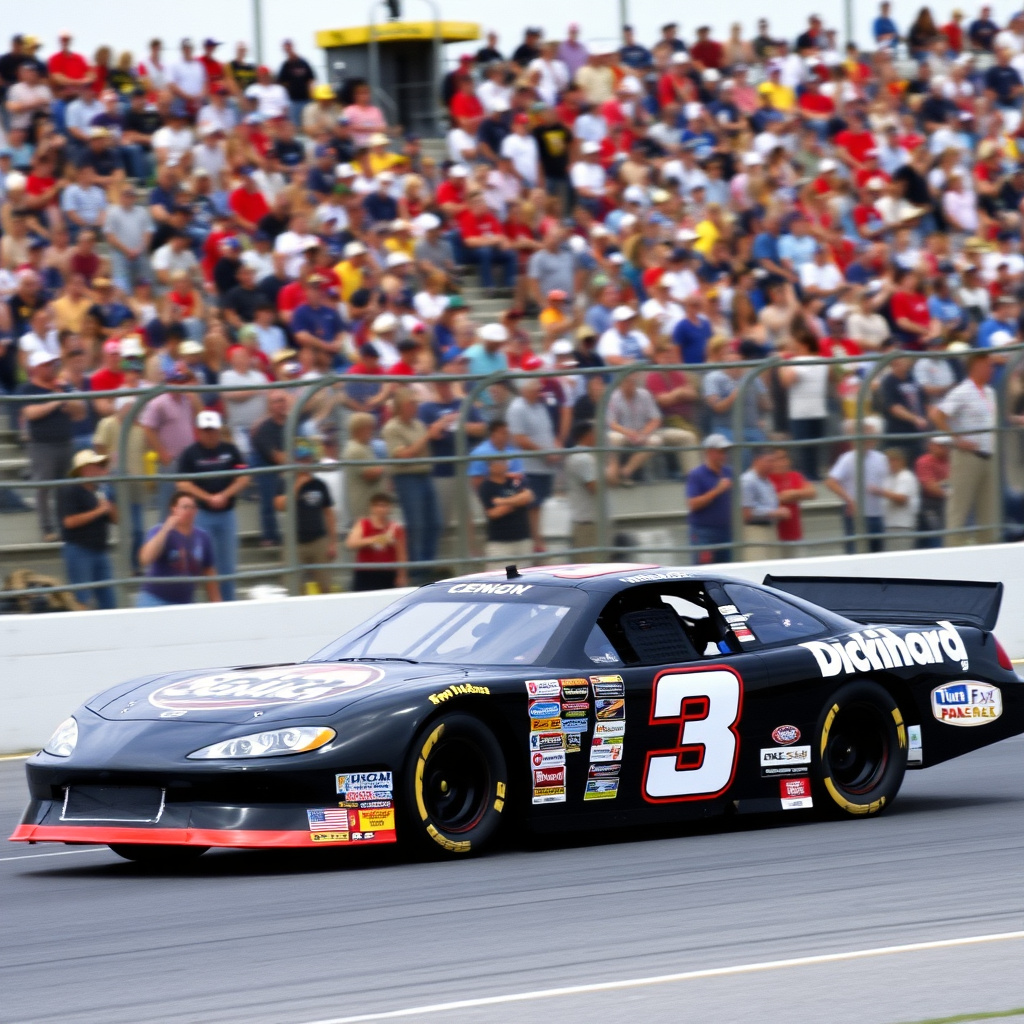
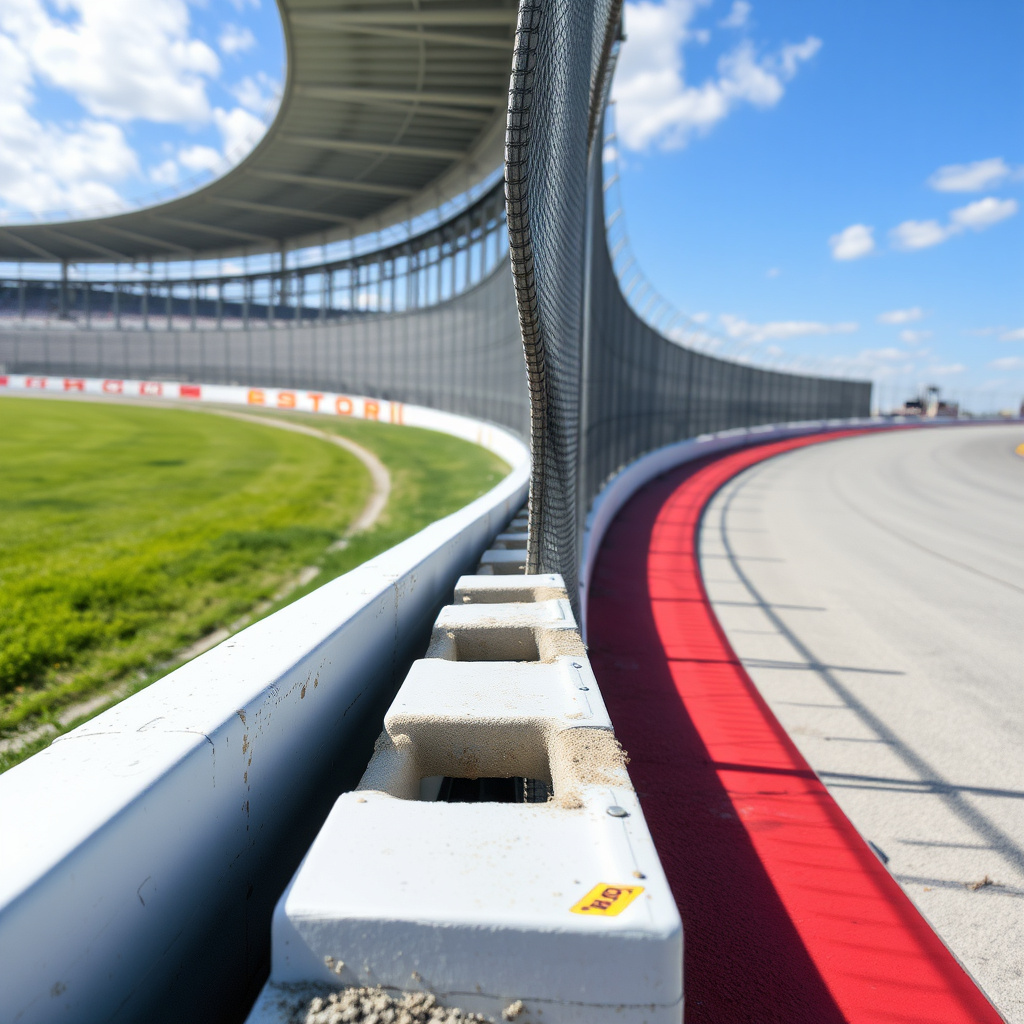

Top 10 Most Iconic NASCAR Races in History
Some races end and you forget them by Monday. Others get replayed in your head for decades. The ones on this list belong to the second category — races where the sport revealed something true about itself, where drivers became legends or had their hearts broken on the last lap, where the finish line meant more than just a checkered flag.
What Makes a NASCAR Race "Iconic"?
An iconic NASCAR race earns that status through a combination of drama, historical weight, cultural impact, and the kind of finish that makes people stop what they're doing. Pure speed records don't qualify on their own. Neither does a dominant wire-to-wire win, no matter how impressive.
The races on this list were selected using four criteria: the competitive drama in the final laps, the historical significance of the result, the emotional stakes for drivers and fans, and whether the race genuinely changed something — a rule, a career, a perception of the sport. A race that scores high on all four is essentially untouchable. Most of the top three do exactly that.
The scope is the NASCAR Cup Series, the sport's top tier, spanning from the early superspeedway era through the modern era. Tracks range from Daytona and Talladega to Bristol, because iconic moments don't belong to one type of circuit.
The Races That Defined an Era (Nos. 10–7)
These four races each represent a turning point — a moment when NASCAR's story shifted in a direction nobody fully anticipated.
No. 10 — The 1979 Daytona 500
The first 500-mile race broadcast live flag-to-flag on network television, and it delivered a finish that seemed scripted. Donnie Allison and Cale Yarborough crashed on the final lap while fighting for the lead, handing the win to Richard Petty — and then the two drivers got into a fistfight on national TV. Millions of snowbound viewers tuned in and never left the sport. NASCAR's mainstream audience was born that afternoon.
No. 9 — The 1992 Hooters 500 at Atlanta
Richard Petty's final race. Jeff Gordon's first. Five drivers mathematically alive for the championship on the last lap. Alan Kulwicki won the title by leading one more lap than Bill Elliott — a margin so thin it became known as the "points championship lap." Three months later, Kulwicki was dead in a plane crash. The race carries a weight that only grew heavier with time.
No. 8 — The 2011 LifeLock 400 at Talladega
Talladega Superspeedway produces chaos by design, but the 2011 fall race was something else. A 25-car wreck on the final lap — the "Big One" at its most spectacular — reshuffled the entire field. Restrictor plate racing at its most anarchic, and a reminder that at Talladega, nobody is safe until they're in Victory Lane.
No. 7 — The 1976 Daytona 500
Richard Petty and David Pearson, the two greatest drivers of their era, crashed each other on the final lap. Pearson kept his car running and limped across the finish line at walking pace while Petty's car sat stalled in the infield. The image of Pearson crawling to the checkered flag is one of the most reproduced in NASCAR photography. It's also a perfect illustration of why last-lap passes and photo finishes define the sport's mythology.
Heartbreak, Controversy, and Unforgettable Moments (Nos. 6–4)
The middle tier of this list is where the sport gets complicated — races remembered not just for who won, but for what the result cost someone else.
No. 6 — The 1997 Daytona 500
Jeff Gordon won his first Daytona 500 in dominant fashion, but the race is remembered as much for what happened to Dale Earnhardt. The seven-time champion, still chasing his first Daytona 500 win after 19 attempts, crashed out late. The crowd's reaction — a mix of sympathy and dark humor — captured the complicated relationship fans had with Earnhardt at the time. Gordon's win was legitimate and impressive. Earnhardt's near-miss was the story.
No. 5 — The 1979 Talladega 500
Donnie Allison led 165 of 188 laps and appeared to have the race locked up. Then a late caution bunched the field, superspeedway drafting reshuffled everything, and Darrell Waltrip — who had been a lap down — found himself in contention. The finish came down to fractions. It was the race that convinced NASCAR officials that Talladega needed its own set of rules, eventually leading to the restrictor plate era.
No. 4 — The 1994 Brickyard 400
NASCAR's first race at Indianapolis Motor Speedway was a cultural statement as much as a competition. Jeff Gordon, an Indiana native, won in front of a crowd that had never watched stock cars race at the Brickyard. The win launched Gordon's career into a different stratosphere and signaled that NASCAR was no longer a regional sport. The controversy came later — some purists felt NASCAR had no business at Indy. The attendance numbers disagreed.
The Top Three: NASCAR's Greatest Races Ever Run
These three races don't just rank highest on the criteria list — they're the ones that changed what NASCAR meant, both inside the sport and to the wider world.
No. 3 — The 1984 Firecracker 400
Richard Petty's 200th and final Cup Series victory, won on the Fourth of July at Daytona with President Ronald Reagan watching from the infield. The race itself was competitive — Petty held off Cale Yarborough in a genuine battle — but the context made it historic. No driver has come close to 200 wins since. The number stands as the sport's most unreachable record, and this race is its monument.
No. 2 — The 1998 Daytona 500
Dale Earnhardt had tried and failed to win the Daytona 500 for 20 years. He'd won every other major race, seven championships, and the respect of an entire generation of fans — but Daytona kept saying no. In 1998, it finally said yes. Earnhardt led the final 61 laps and crossed the finish line in tears. Every crew member on pit road came out to congratulate him, including crews from rival teams. It remains one of the most emotionally complete moments in American motorsports history. Three years later, he died on the final lap of the same race.
No. 1 — The 2001 Daytona 500
Michael Waltrip, driving for Dale Earnhardt's own team, won his first Cup Series race. Dale Earnhardt Jr. finished second. Dale Earnhardt Sr. died in a last-lap crash in Turn 4. The race that should have been a celebration became the sport's defining tragedy. NASCAR's entire approach to safety — the HANS device mandate, safer barrier walls, cockpit reinforcement — traces directly back to February 18, 2001. The NASCAR Cup Series is measurably safer today because of what happened that afternoon. No race in the sport's history carries more weight.
How These Races Shaped Modern NASCAR
The connection between these historic races and today's sport is direct, not symbolic. The 1979 Daytona 500 built NASCAR's national television audience, which funded the expansion that brought the sport to tracks like Indianapolis and Las Vegas. The 2001 Daytona 500 triggered a safety overhaul that has almost certainly saved lives in the two decades since.
Restrictor plate rules at Daytona and Talladega — the technical framework behind superspeedway drafting — evolved through the chaos of races like the 1979 Talladega 500 and the 2011 LifeLock 400. Bristol Motor Speedway's reputation as the sport's most intense short-track venue was built race by race through battles that made the evening news.
Jeff Gordon's wins in the mid-1990s shifted NASCAR's demographic reach, attracting sponsors and fans from outside the sport's traditional Southern base. Richard Petty's 200th win gave the sport a mythological ceiling that still defines greatness. These weren't just races. They were the moments when NASCAR decided what it was going to be.
Honorable Mentions Worth Knowing
Four races that came close to making the main list, each with a legitimate argument for inclusion.
- The 1992 Daytona 500 — Davey Allison won despite a late crash, limping across the line in a damaged car. The finish was chaotic and the result felt stolen from the field. A race that rewards rewatching.
- The 2007 Subway Fresh Fit 500 at Bristol — Kyle Busch and Jeff Gordon traded paint for the final 50 laps in a short-track battle that reminded everyone why Bristol Motor Speedway has a waiting list for season tickets.
- The 1988 Winston 500 at Talladega — Phil Parsons won his only Cup race in a finish that involved 11 lead changes in the final 10 laps. Restrictor plate racing at its most unpredictable, before the rules tightened further.
- The 1992 The Winston All-Star Race — Kyle Petty, Davey Allison, and Dale Earnhardt in a three-wide battle at Charlotte that produced one of the most replayed finishes in the event's history. The All-Star Race rarely gets the credit it deserves for producing genuine drama.
Frequently Asked Questions
What is considered the greatest NASCAR race of all time?
Most historians and longtime fans point to the 2001 Daytona 500 as the most significant race in NASCAR history, not because of the competition alone, but because of its lasting impact on the sport's safety standards and cultural memory. The 1998 Daytona 500 is often cited as the most emotionally powerful finish.
Why is the Daytona 500 so important to NASCAR history?
The Daytona 500 is NASCAR's season opener and its highest-profile event, often called "The Great American Race." It carries the most championship points, the largest purse, and the longest television audience of any race on the calendar. Winning it means something different than winning anywhere else — as Dale Earnhardt's 20-year pursuit demonstrated.
Which NASCAR race had the closest finish ever recorded?
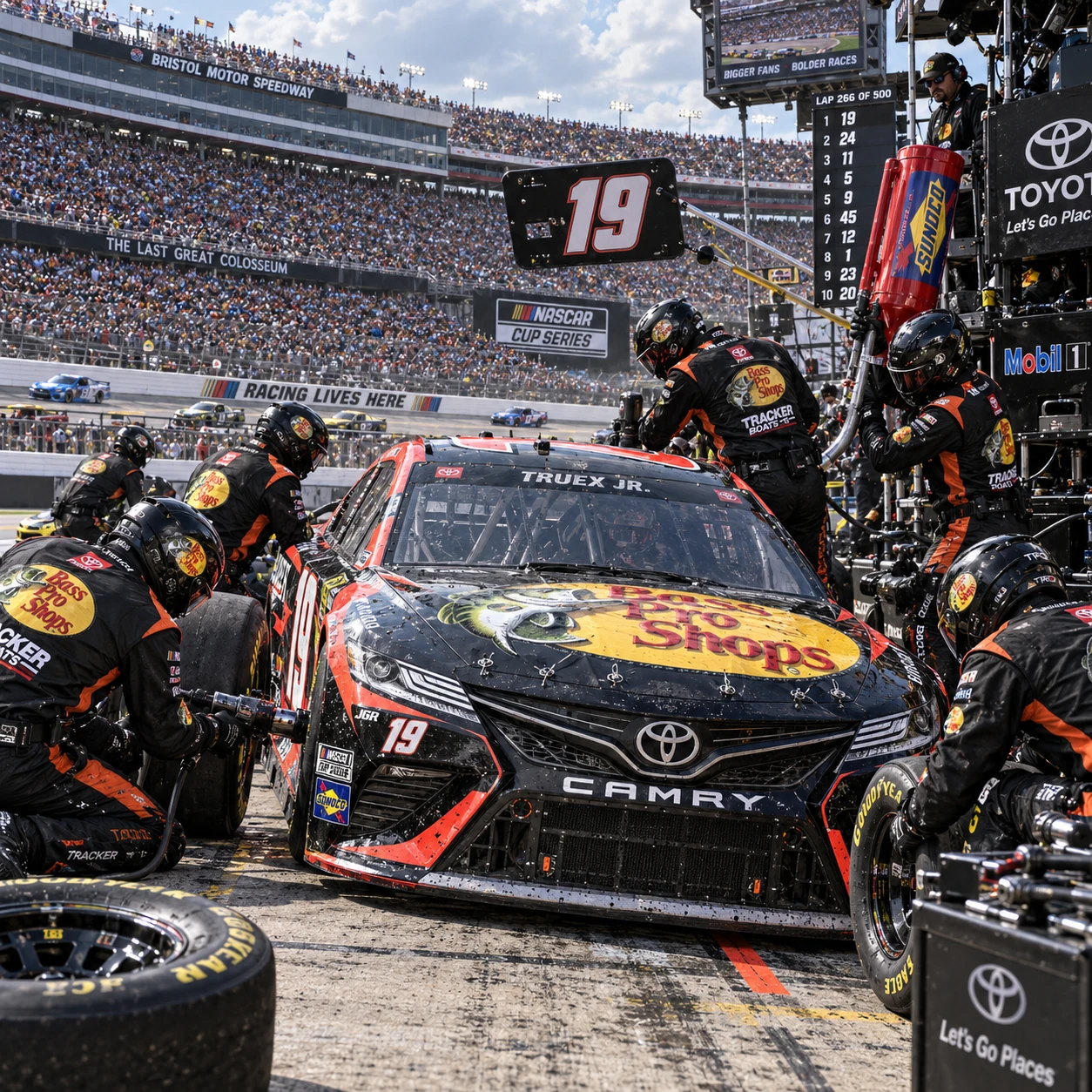
The 2016 Daytona 500 produced a finish of 0.010 seconds between Denny Hamlin and Martin Truex Jr., one of the closest in the race's history. At superspeedways, photo finishes are common because restrictor plate racing keeps the field bunched together through the final laps.
Are superspeedway races more iconic than short-track races?
Superspeedways like Daytona and Talladega dominate this list because their combination of high stakes and unpredictable drafting produces the sport's most dramatic finishes. But short-track races at Bristol and Martinsville generate a different kind of intensity — physical, grinding, and personal. Both formats have produced genuinely iconic moments; superspeedways just tend to produce them more publicly.
How do fans and historians decide which NASCAR races are the most memorable?
The criteria that matter most are competitive drama, historical consequence, and emotional resonance. A race that changed a rule, ended a career, or defined a driver's legacy carries more weight than a statistically impressive performance. Fan memory also plays a role — races that get referenced in conversation decades later have earned their place on any serious list.