



Comparing NASCAR to Other Motorsports: F1, IndyCar, and More

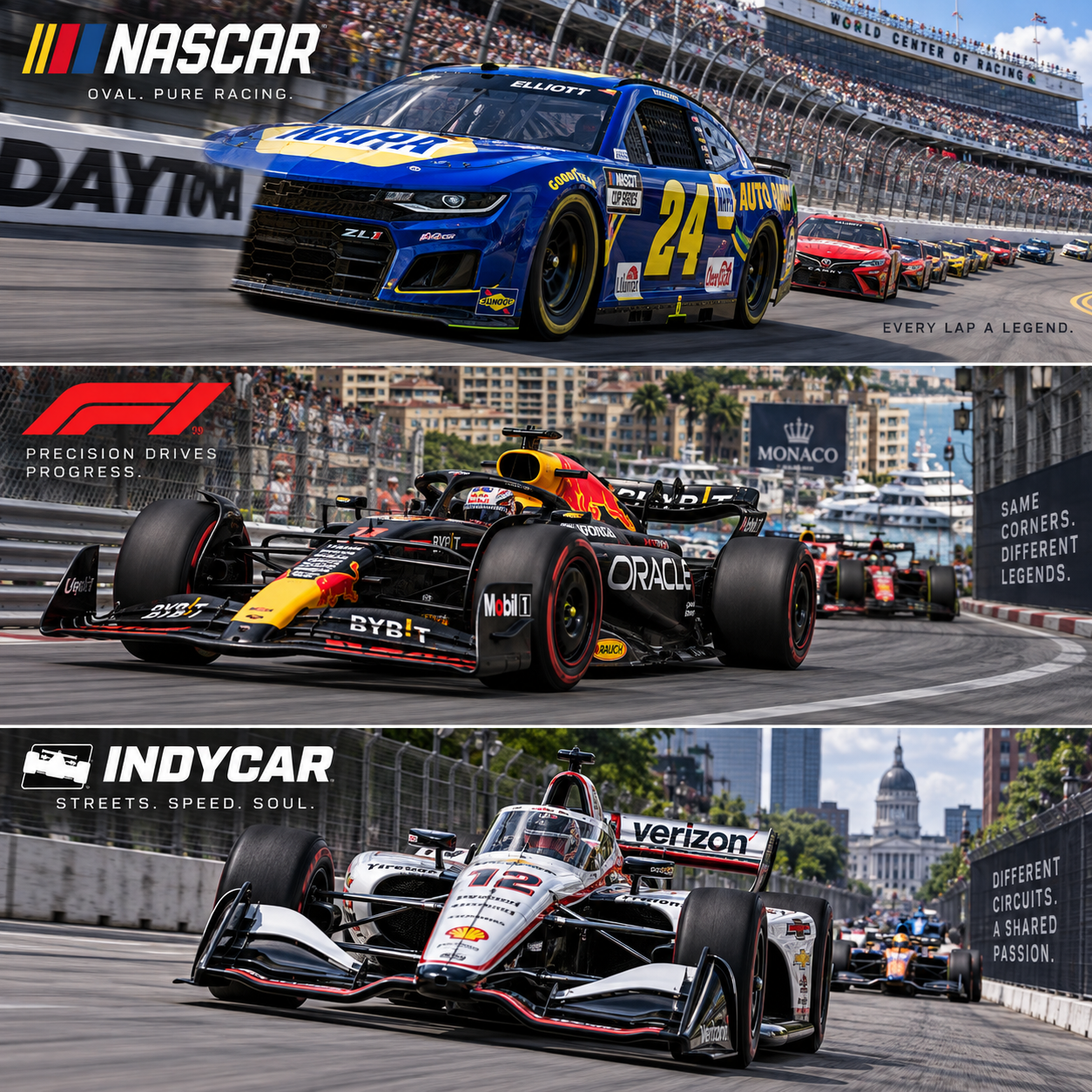
NASCAR sits in a distinctive part of the motorsports world. Its cars resemble production sedans, races often unfold on oval tracks, and small differences in drafting, tire wear, cautions, and pit timing can reshape the order. Formula 1 and IndyCar share some of NASCAR’s speed and spectacle, yet their cars, circuits, rules, and competitive demands create very different viewing experiences.
The clearest comparison starts with a simple idea: no single series is universally the fastest or most difficult. Performance depends on the track, car setup, weather, tires, and measurement used. A NASCAR Cup Series race emphasizes sustained close-quarters competition, while F1 rewards technical precision and IndyCar combines open-wheel speed with remarkable variety.
NASCAR vs. F1 vs. IndyCar at a Glance
NASCAR uses heavy stock cars and race formats built around close competition, F1 uses highly specialized open-wheel cars and technical circuits, and IndyCar combines open-wheel engineering with ovals, road courses, and street circuits. Those differences shape nearly every part of a race, from qualifying to the final pit stop.
| Series | Cars | Typical venues | Primary identity |
|---|---|---|---|
| NASCAR Cup Series | Stock car-style, covered-wheel cars | Oval tracks, road courses, street circuits | Drafting, traffic, pit strategy, and contact-resistant competition |
| Formula 1 | Single-seat, open-wheel ground-effect cars | Permanent road circuits and street circuits | Aerodynamic efficiency, technical execution, and global team competition |
| IndyCar Series | Single-seat, open-wheel cars | Ovals, road courses, and street circuits | Versatility, high-speed oval racing, and compact competition |
NASCAR’s identity comes from the interaction between many cars running together. F1 generally places greater emphasis on qualifying position, clean air, aerodynamic performance, and the development race between constructors and teams. IndyCar sits between those worlds in several ways: it has sophisticated open-wheel machinery, but its calendar demands that drivers switch between very different environments.
Race length also changes the rhythm. NASCAR events commonly feature long green-flag runs interrupted by cautions and pit cycles. F1 races usually follow a more standardized Grand Prix structure, while IndyCar events vary substantially depending on whether they take place on an oval, road course, or temporary street circuit.
How the Cars Differ
NASCAR stock cars prioritize stability, durability, and close racing, whereas F1 and IndyCar machines prioritize low weight, exposed wheels, and aerodynamic downforce. The result is a different balance between mechanical grip, air performance, driver visibility, and contact tolerance.
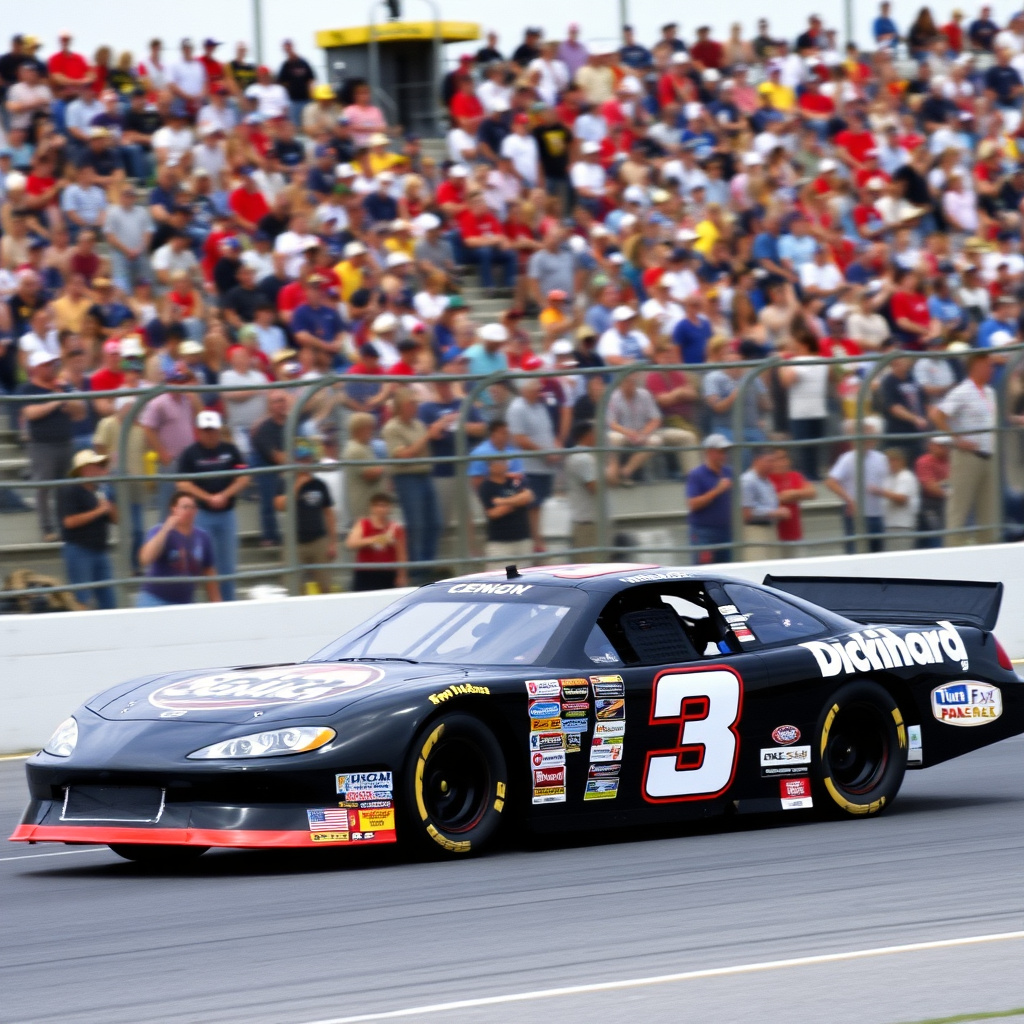
A NASCAR Cup Series car has enclosed bodywork and fenders over all four wheels. Its silhouette connects stock car racing with road cars, although the modern machine is a purpose-built race car rather than a lightly modified showroom vehicle. The body generates aerodynamic load, but the car’s weight, tire behavior, suspension settings, and high-speed side-by-side running remain central to performance.
F1 cars are open-wheel machines designed around airflow. Front and rear wings, underfloor tunnels, diffusers, and tightly integrated bodywork help create downforce. That grip allows exceptional cornering speeds, but it also makes the car sensitive to turbulent air from competitors. A driver may lose performance while following another car closely, even when the slipstream helps on a straight.
IndyCar uses open-wheel cars with a common chassis supplied by Dallara and engines from Honda or Chevrolet. Teams refine setup, aero configuration, tires, and strategy rather than designing an entire car from the ground up as F1 constructors do. IndyCar’s oval package differs from its road-course package, so the same driver must understand both low-drag speed and technical cornering.
- Aerodynamics: F1 generally operates at the most intricate aerodynamic level, while NASCAR places greater emphasis on racing in traffic and IndyCar adapts aero packages to the venue.
- Technology: F1 has highly integrated power-unit and vehicle-development programs. NASCAR limits more components to control costs and keep competition close.
- Handling: NASCAR drivers manage a larger, heavier platform with frequent wheel-to-wheel proximity. F1 drivers manage a highly responsive car where tiny errors can have major consequences.
Choosing advanced aerodynamics for maximum cornering performance means accepting greater sensitivity to dirty air and setup changes. NASCAR’s comparatively controlled technical framework gives teams fewer design freedoms, yet that limitation helps keep driver positioning and race execution in the spotlight.
Tracks, Circuits, and Racing Environments
NASCAR is best known for oval tracks, F1 for road circuits and street circuits, and IndyCar for combining all three environments. Track shape changes the racing line, passing opportunities, tire demands, and the kind of courage required from a driver.
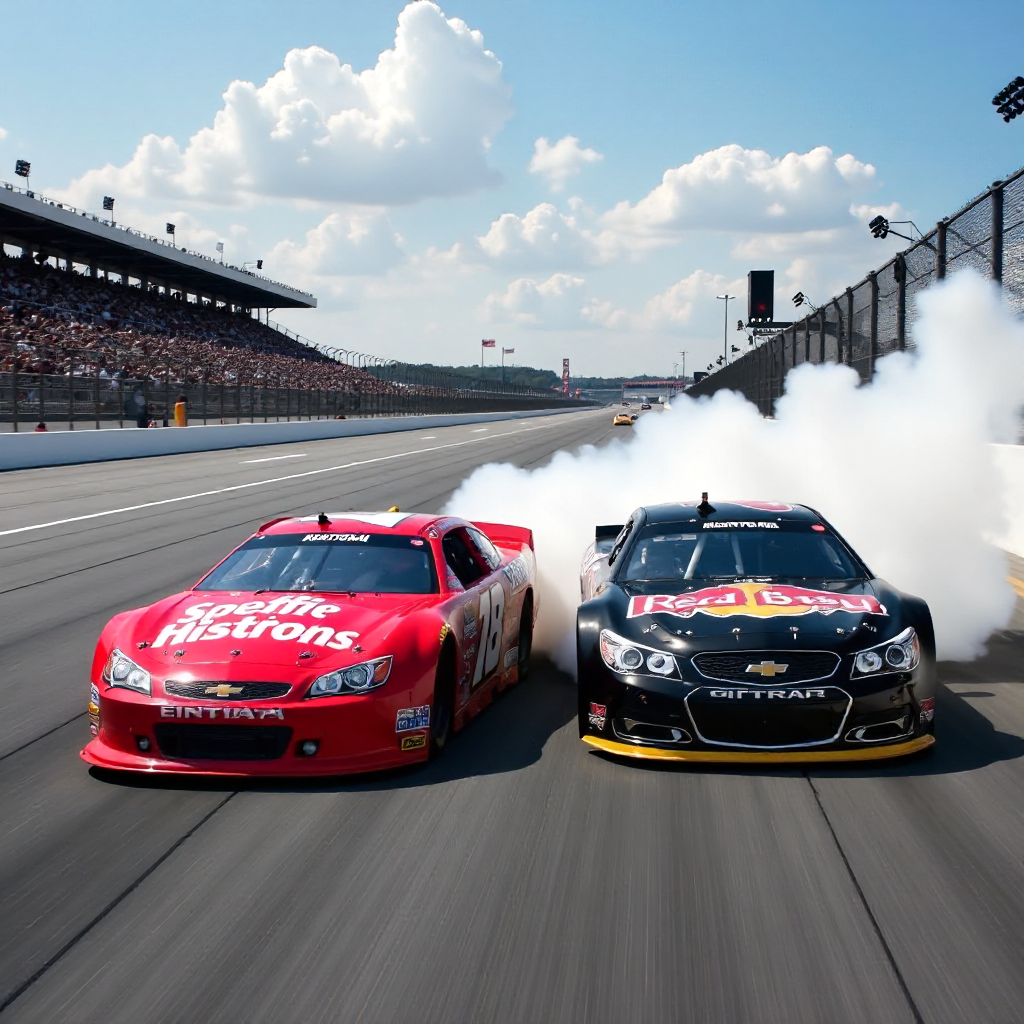
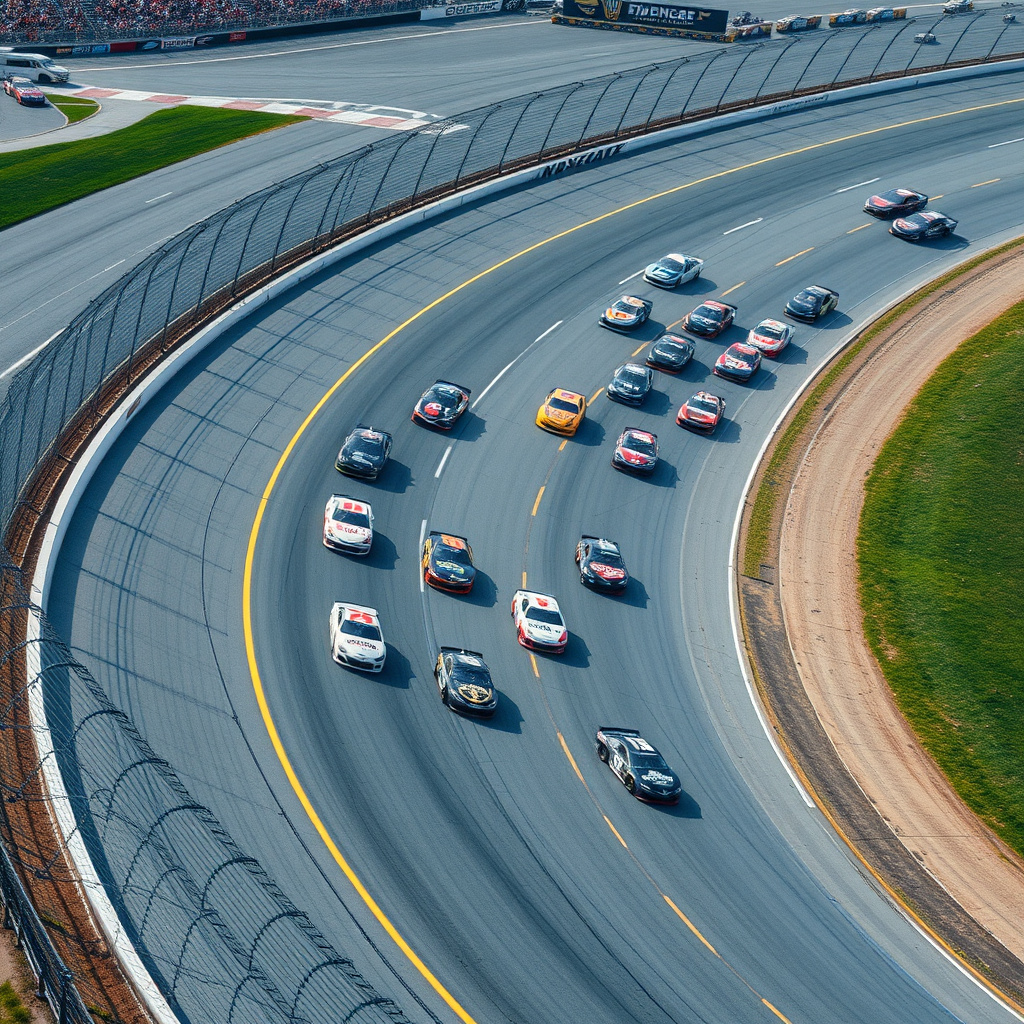
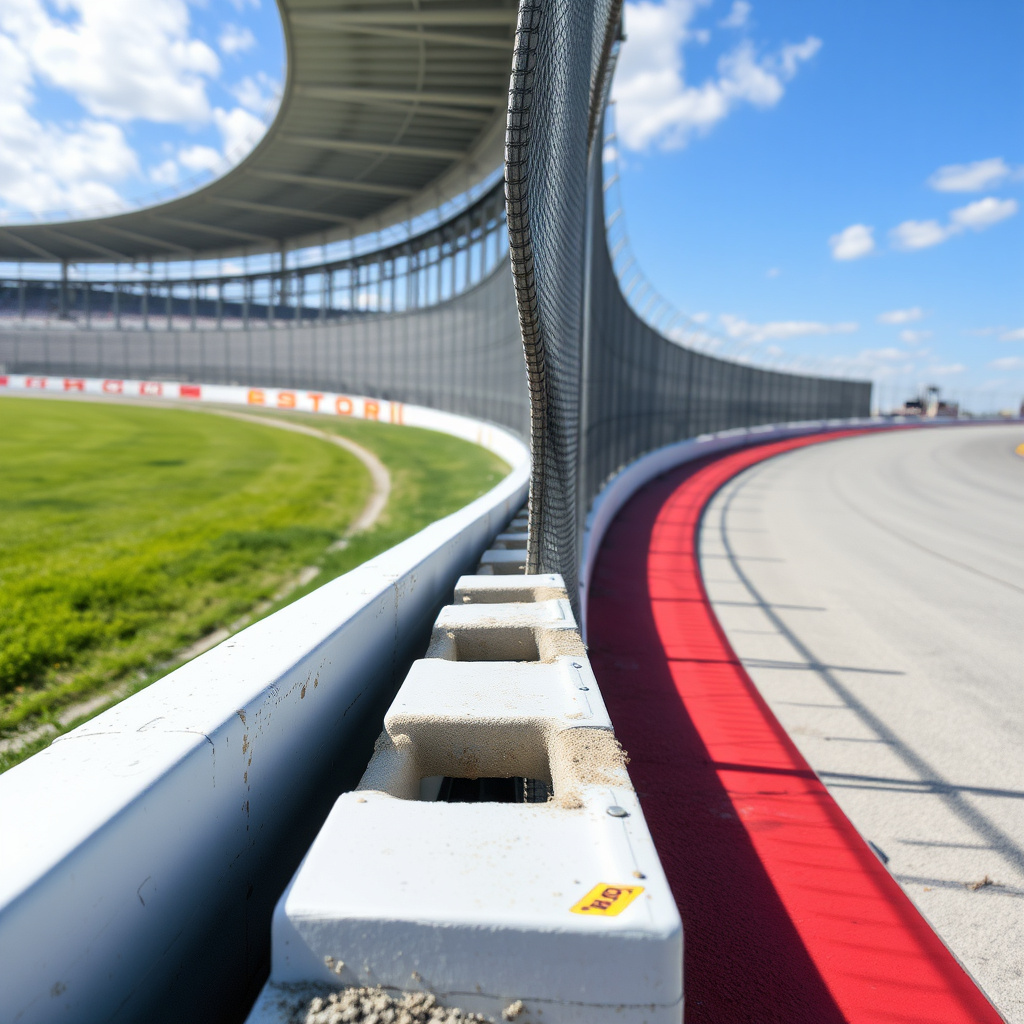
On an oval, cars turn primarily in one direction and spend long periods at high speed. Banking can help support cornering, but it also creates intense aerodynamic and tire-management challenges. At tracks such as Daytona International Speedway and Talladega Superspeedway, drafting becomes a central tool. Drivers work in packs, choose when to move through traffic, and judge whether a late pass is worth the risk.
NASCAR road courses add braking zones, elevation changes, left- and right-hand corners, and slower technical sections. Drivers must adapt the stock car to a sequence that demands different braking and throttle habits from a traditional oval. Street circuits are even less forgiving. Narrow walls, uneven surfaces, and limited runoff leave little room for recovery after a mistake.
F1 circuits range from fast permanent venues to tight city layouts. A track such as Monza rewards low drag and straight-line efficiency, while Monaco places enormous value on precision and qualifying position. IndyCar’s variety is unusually visible: the Indianapolis 500 tests four-wide awareness, drafting, and aerodynamic balance, while a street race such as Long Beach rewards braking control and patience.

The important distinction is not simply oval versus road course. It is how the environment distributes risk. Ovals compress decision-making into traffic and momentum; road courses stretch it across braking, corner exits, tire changes, and multiple racing lines.
Race Format, Strategy, and Competition
NASCAR strategy revolves around stages, cautions, fuel, tires, and track position, while F1 and IndyCar place different weight on qualifying, tire compounds, pit windows, and aerodynamic position. In every series, the fastest car can lose if a team misreads the race.
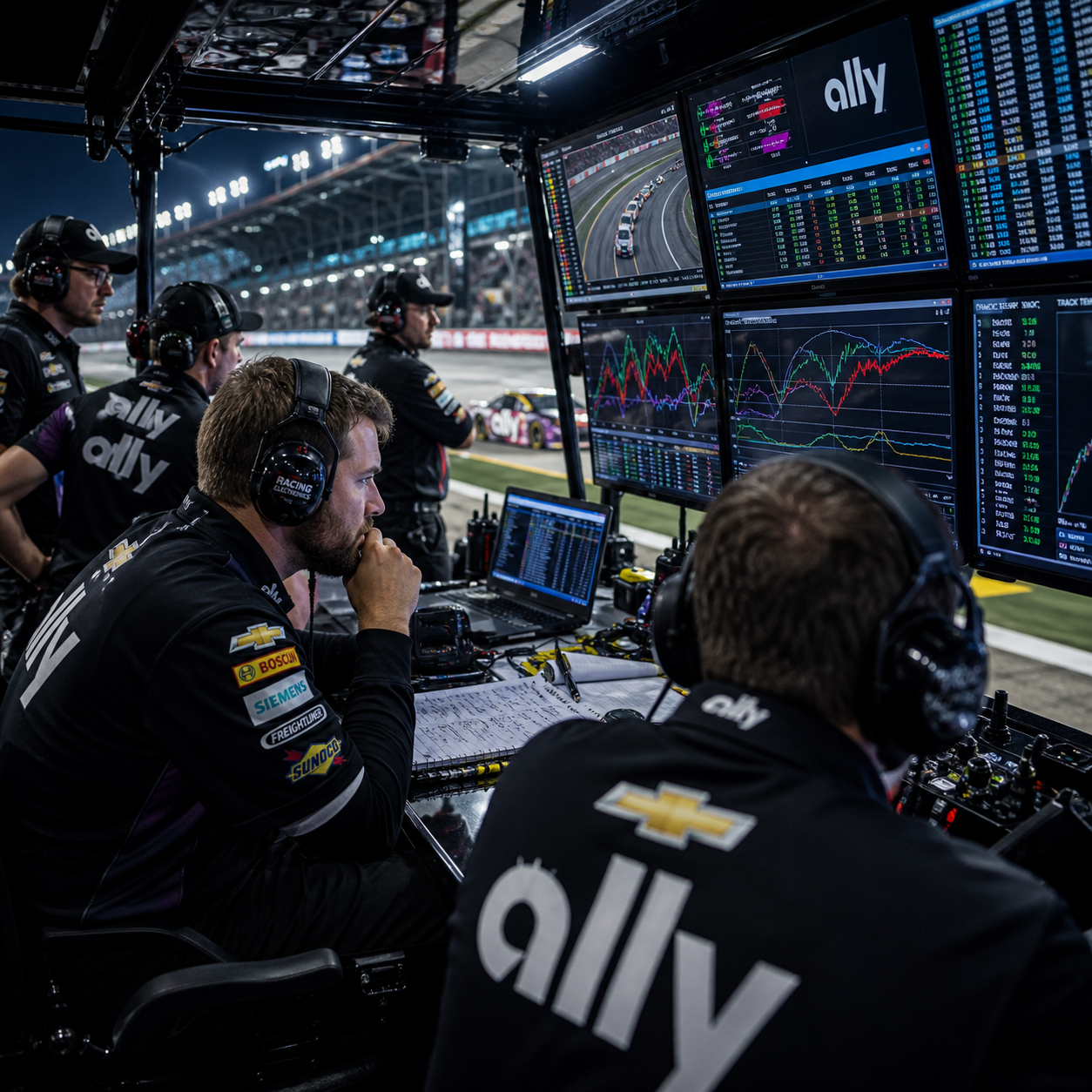
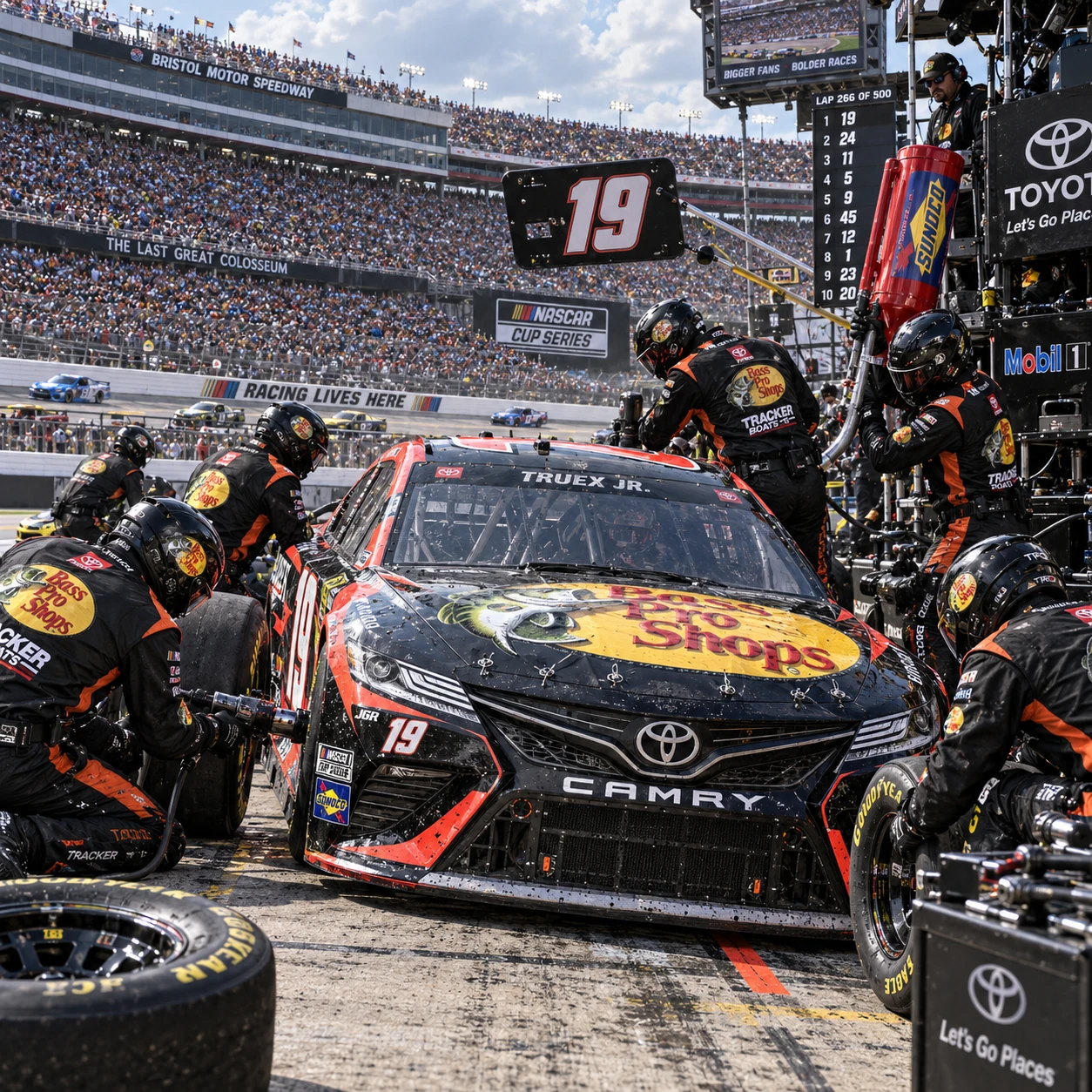
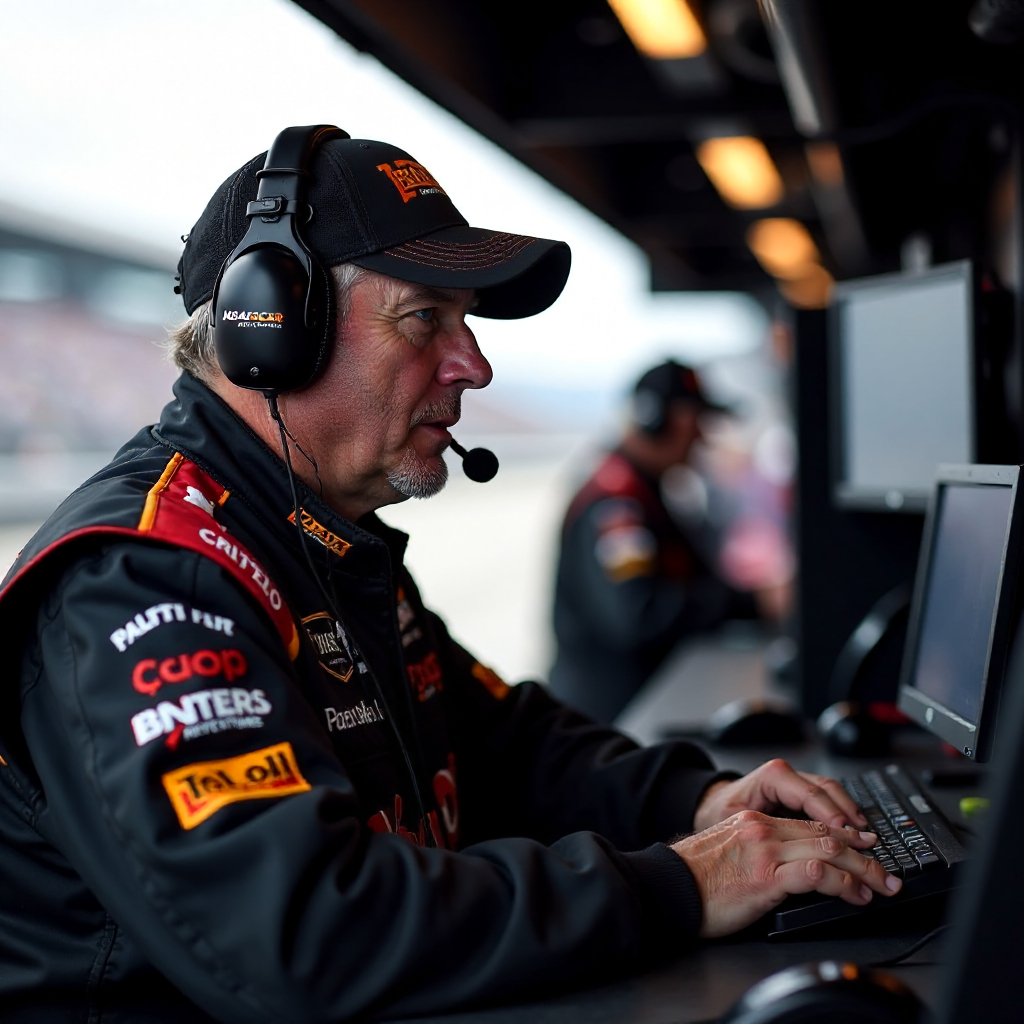
NASCAR’s stage format divides many races into segments that award points and can influence when teams push for position. Scheduled cautions create opportunities for pit stops, while yellow flags can erase a lead or give a struggling car a reset. Crew chiefs constantly weigh four tires against two, fuel mileage against track position, and an early stop against the possibility of a later caution.
F1 strategy often centers on tire compounds, pit-stop timing, and the interaction between qualifying position and clean air. A one-stop race and a two-stop race can produce very different tactical choices. Passing may be difficult when cars have similar pace, so an undercut, an overcut, or a strong opening lap can matter as much as outright speed.
IndyCar strategy changes sharply by venue. Fuel saving and tire management may dominate a road-course event, while an oval race can turn on restarts, tow effects, and late cautions. The Indianapolis 500 adds a long strategic arc: drivers must protect fuel, manage tire degradation, and remain positioned for the final sequence without exposing themselves unnecessarily early.
Qualifying also carries different weight. F1 qualifying often determines whether a driver starts with clean air or becomes trapped in traffic. NASCAR qualifying matters, but the long race, cautions, and drafting can create more opportunities to recover. IndyCar qualifying varies by track, with oval qualifying demanding commitment through each lap and road-course qualifying rewarding precise preparation.
Driver Skills and Challenges
NASCAR tests traffic awareness, drafting judgment, tire management, and endurance; F1 emphasizes technical precision and high-speed cornering; IndyCar demands adaptability across radically different tracks. Comparing driver skill fairly requires recognizing that each discipline rewards a different set of decisions.
NASCAR driver demands
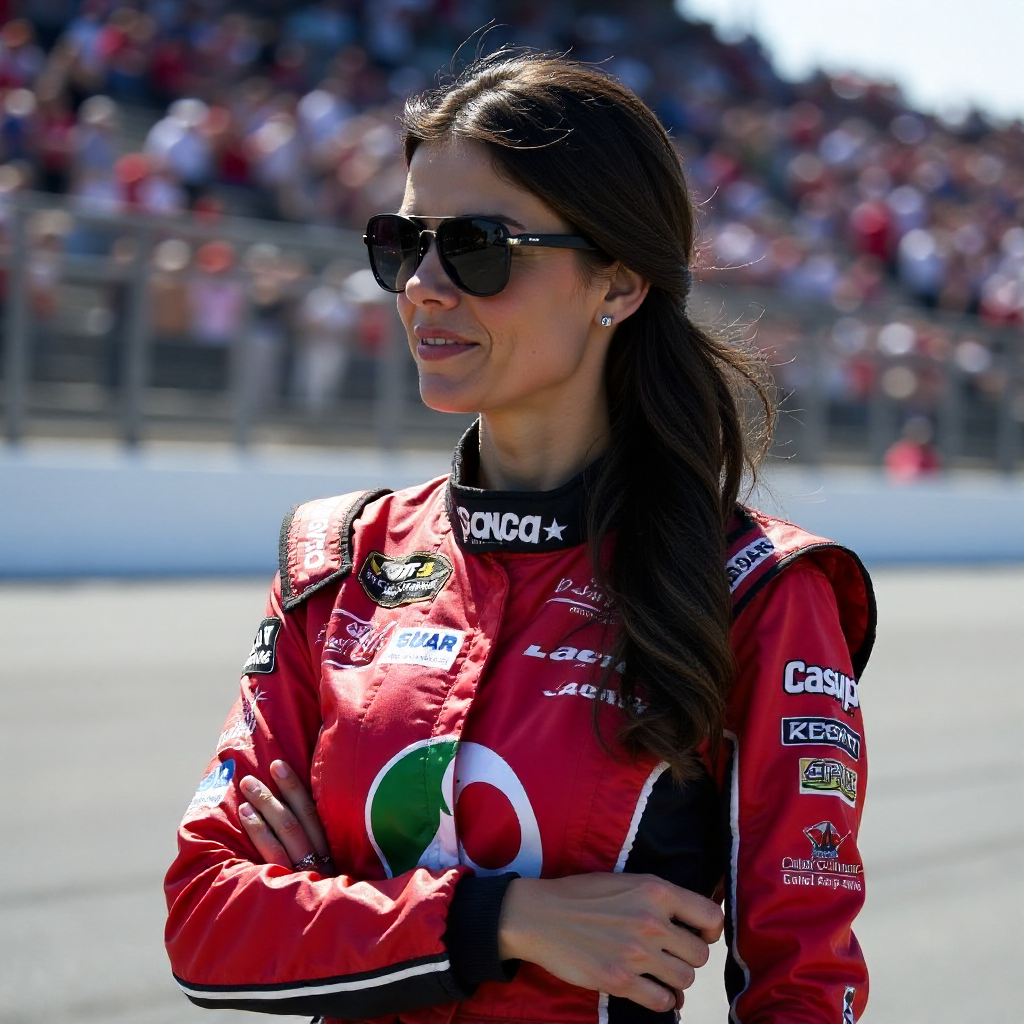
NASCAR drivers must read several cars at once, maintain momentum, and anticipate moves before they become visible. At superspeedways, inches can separate a clean pass from a multi-car incident. On short tracks, braking, throttle control, and managing tire falloff become more important. Road-course events require a further adjustment in braking technique and corner sequencing.
F1 driver demands
F1 drivers operate in a narrow performance window. They must place the car accurately at high speed, protect tires, manage energy deployment, and communicate detailed feedback to engineers. A small lock-up or compromised corner can affect an entire lap because modern circuits link one corner’s exit to the next straight.
IndyCar driver demands
IndyCar drivers face the broadest venue transition among the three. An oval requires comfort with sustained lateral load and traffic, while a street circuit demands quick reactions near concrete barriers. Road courses add technical braking and traction zones. A driver who excels in one format may still need time to adapt to another.
Endurance is shared across all three series, but it appears differently. NASCAR asks drivers to remain mentally sharp through long races and repeated restarts. F1 demands concentration through intense laps and complex systems management. IndyCar combines both types of pressure, especially during long oval events.
NASCAR Compared With Other Major Motorsports
NASCAR differs from endurance racing, rally racing, and sports car racing mainly through its race environment, vehicle philosophy, and competition format. These disciplines broaden the motorsports landscape without replacing the distinctive appeal of stock car racing.
- Endurance racing: Events such as the 24 Hours of Le Mans emphasize multiple drivers, traffic across car classes, reliability, and performance over many hours. NASCAR usually keeps the focus on one primary driver and a tightly managed sprint-to-long-distance race.
- Rally racing: Rally drivers compete against the clock on changing surfaces such as gravel, snow, and tarmac. Pace notes, car control, and adaptation matter more than sustained wheel-to-wheel oval positioning.
- Sports car racing: Sports car series use closed-cockpit prototypes or production-based GT cars. Their races may combine different classes, creating traffic-management challenges that are unlike a single-class NASCAR field.
These comparisons clarify why NASCAR fans often value the physical, visible nature of the contest. Cars run close together, strategy unfolds in front of the audience, and a restart can instantly change the outcome. Other disciplines may offer greater technical variety or longer strategic horizons, but they create different kinds of tension.
Which Motorsport Is Right for You?
Choose NASCAR for close oval racing and dramatic restarts, F1 for technical open-wheel competition, IndyCar for venue variety, and endurance or rally racing for specialized long-form challenges. Your preferred type of uncertainty is the best guide.
- Watch NASCAR if you enjoy drafting, frequent position changes, pit-road decisions, cautions, and cars racing inches apart.
- Watch F1 if you prefer advanced aerodynamics, technical circuits, qualifying pressure, constructor development, and strategy built around tire compounds and clean air.
- Watch IndyCar if you want open-wheel racing across ovals, road courses, and street circuits. It offers a useful balance between technical machinery and venue-driven variety.
- Watch endurance racing if changing drivers, reliability, night running, traffic across classes, and multi-hour strategy appeal to you.
- Watch rally racing if you prefer individual attacks against the clock, unpredictable surfaces, and spectacular car control away from conventional circuits.
A practical way to choose is to watch three contrasting events: a NASCAR superspeedway race, an F1 Grand Prix on a permanent circuit, and an IndyCar oval or street race. Pay attention to when the race changes. NASCAR may turn on a restart, F1 on qualifying or tire timing, and IndyCar on fuel strategy or a late caution.
Frequently Asked Questions
How is NASCAR different from F1?
NASCAR uses covered-wheel stock cars and frequently races on ovals, while F1 uses lightweight open-wheel cars on road and street circuits. NASCAR emphasizes drafting, traffic, cautions, and pit strategy; F1 emphasizes aerodynamics, technical precision, qualifying position, and constructor development.
Is NASCAR faster than IndyCar?
There is no universal answer because speed depends on the circuit and measurement. IndyCar may produce higher cornering performance on some road courses, while NASCAR’s oval configurations are optimized for sustained high-speed pack racing. Lap time, top speed, acceleration, and average speed can each tell a different story.
What is the difference between NASCAR and stock car racing?
Stock car racing is the broader category of racing involving cars with production-car-inspired body shapes. NASCAR is the sanctioning organization and competition platform behind series such as the NASCAR Cup Series. In everyday conversation, the terms are often connected because NASCAR is the most prominent form of stock car racing in the United States.
Which motorsport has the most technical cars?
F1 is generally regarded as the most technically specialized of these three because teams develop highly complex aerodynamic, hybrid power-unit, and vehicle-control systems. That does not make F1 drivers or cars universally superior; NASCAR and IndyCar impose different technical and competitive constraints.
Can NASCAR drivers compete successfully in other racing series?
Yes. NASCAR drivers have competed in IndyCar, sports cars, endurance events, rally-related demonstrations, and other disciplines. Success depends on experience, preparation, and adaptation to differences in braking, visibility, tire behavior, race format, and track layout. A strong stock car driver brings valuable racecraft, but another series still requires a substantial learning curve.