



The Evolution of NASCAR Safety Features: From the Early Days to Now
Racing Without a Net: Safety in NASCAR's Earliest Era
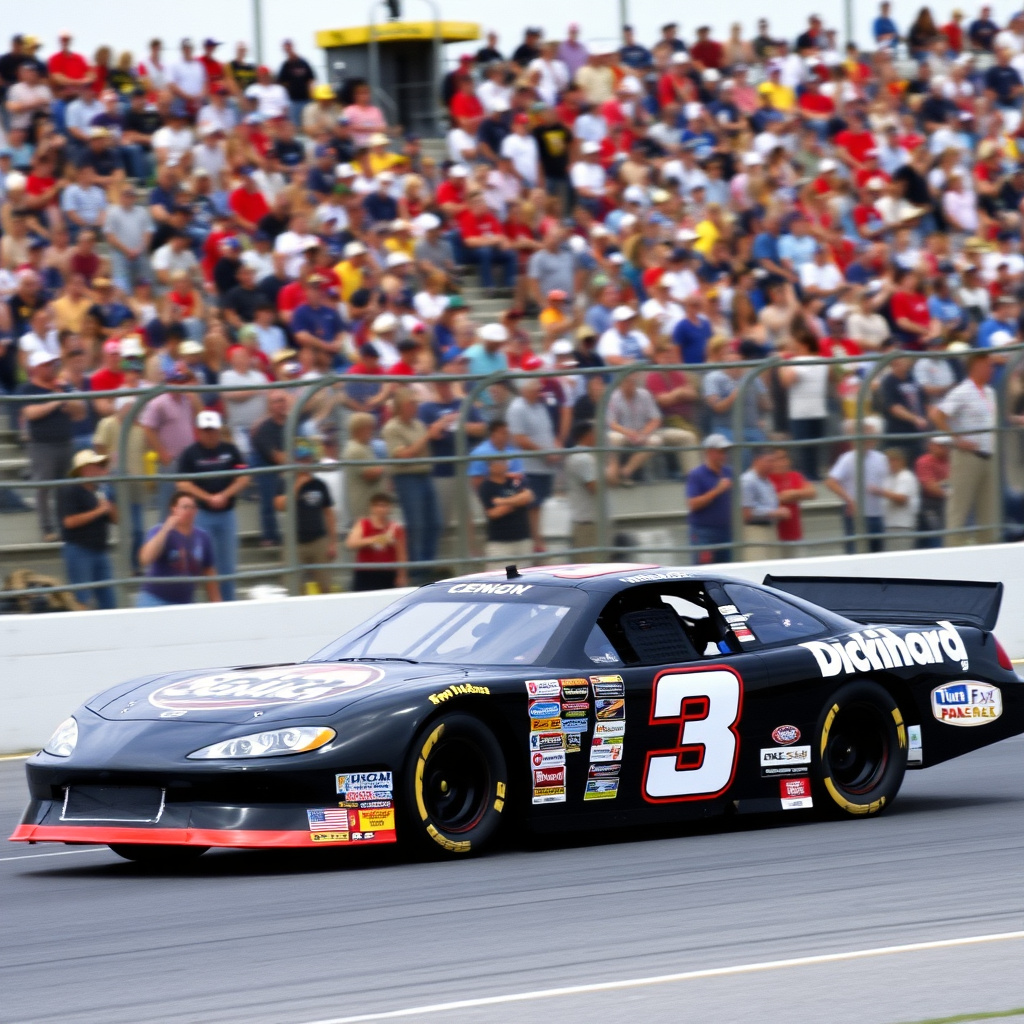
Early NASCAR drivers had almost no meaningful protection. When Bill France Sr. formalized the sport in 1948, the cars were essentially street vehicles with minimal modifications — no roll cages, no fire suppression, no harnesses beyond a basic lap belt. Drivers sat in production-line seats wearing street clothes, sometimes a leather helmet, and not much else.
The culture of the era treated danger as inseparable from the sport. Fatalities and serious injuries were mourned, then largely absorbed back into the racing calendar. There was no institutional framework for analyzing crashes or mandating protective equipment. If a driver wanted to race without a helmet, that was largely his call.
This wasn't unique to NASCAR — motorsport globally operated this way through the late 1940s and 1950s. But NASCAR's oval-track format, with its high speeds and concrete walls, made the consequences of that philosophy particularly severe. The sport needed to grow up, and it did — slowly, and often only after someone got hurt.
The First Wave of Change: Roll Cages, Harnesses, and Fire Suits
The incremental safety improvements of the 1950s through 1980s gave drivers their first real layer of protection, though adoption was often uneven and sometimes resisted. The roll cage — a welded steel structure designed to maintain cabin integrity during a rollover — became standard equipment as NASCAR's rulebook matured through the 1960s. Before that, a flipped car meant the roof could collapse directly onto the driver.
Multi-point harness systems followed, replacing the single lap belt with five- and six-point configurations that kept drivers firmly in the seat during violent impacts. The difference in survivability between a lap belt and a proper racing harness in a high-speed crash is not subtle.
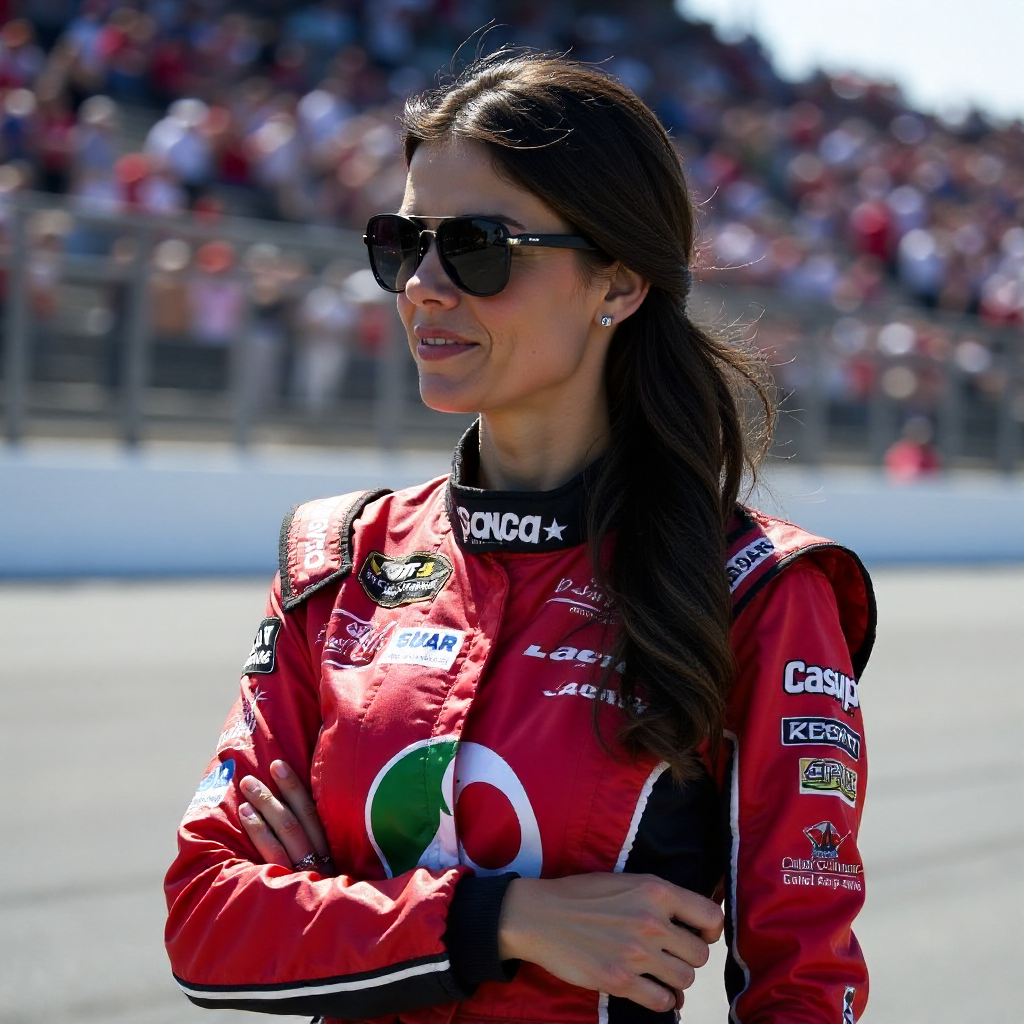
Fire protection came in stages. Nomex fire-resistant suits — developed by DuPont and adopted widely in motorsport from the late 1960s onward — gave drivers critical seconds of protection in fuel-fed fires. NASCAR eventually mandated Nomex gear, though the timeline for full enforcement stretched across several years. By the 1980s, a NASCAR Cup Series driver was wearing a multi-layer Nomex suit, gloves, and a balaclava as baseline equipment. Compared to the sport's origins, that was a genuine transformation. Compared to what was still coming, it was only the beginning.
Tragedy as a Catalyst: How Driver Deaths Reshaped the Rulebook
NASCAR's most significant safety reforms have almost always followed fatalities. That's not a criticism — it reflects how regulatory change works in most high-risk industries — but it's an honest accounting of the sport's history.
The 2000 NASCAR Cup Series season was particularly brutal. Adam Petty died at New Hampshire in May. Kenny Irwin Jr. died at the same track two months later. Tony Roper was killed at Texas Motor Speedway in October. Each death involved a basilar skull fracture — a pattern that pointed directly at the absence of head and neck restraint systems.
Then came February 18, 2001. Dale Earnhardt Sr. died on the final lap of the Daytona 500 after his car made contact with Ken Schrader's and hit the outside wall. The impact looked survivable. It wasn't. The cause of death was again a basilar skull fracture.
Earnhardt was the sport's biggest star. His death in front of a national television audience made it impossible for NASCAR to treat the issue as a series of isolated incidents. Within months, the organization accelerated reforms that had been discussed, debated, and delayed for years. The NASCAR Research and Development Center in Concord, North Carolina — opened in 2003 — became the institutional home for the engineering-driven safety culture that followed.
The HANS Device and the Push for Head and Neck Protection
The HANS Device (Head and Neck Support) is a carbon-fiber collar that attaches to the driver's helmet and anchors to the shoulder harness, preventing the head from snapping violently forward in a frontal impact. It directly addresses the mechanism behind basilar skull fractures.
The device was invented by Dr. Robert Hubbard and his brother-in-law Jim Downing in the early 1980s. It was available to NASCAR drivers for nearly two decades before Earnhardt's death. Some drivers used it voluntarily. Many didn't, citing discomfort, restricted visibility, or simply the cultural resistance to being told how to manage their own risk.
NASCAR made the HANS Device mandatory for Cup Series drivers in 2001, shortly after Earnhardt's death. The Busch and Craftsman Truck Series followed. The resistance that had slowed adoption for 20 years evaporated almost overnight once the mandate was in place.
The impact has been measurable. Basilar skull fractures, which killed multiple drivers in a single season in 2000, have not claimed a NASCAR national series driver since the mandate took effect. That's not a coincidence — it's the clearest single example in the sport's history of a specific technology preventing a specific type of death.
Redesigning the Track: SAFER Barriers and Catch Fences
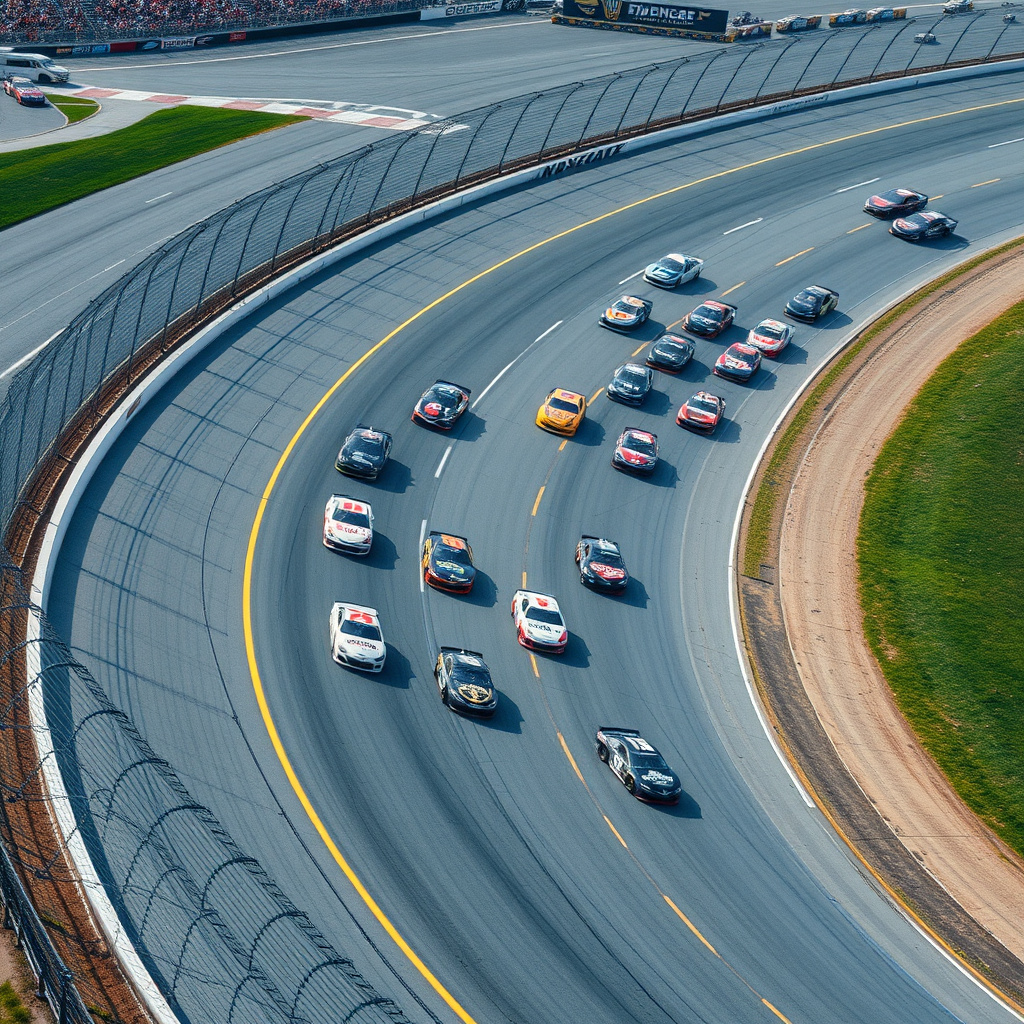
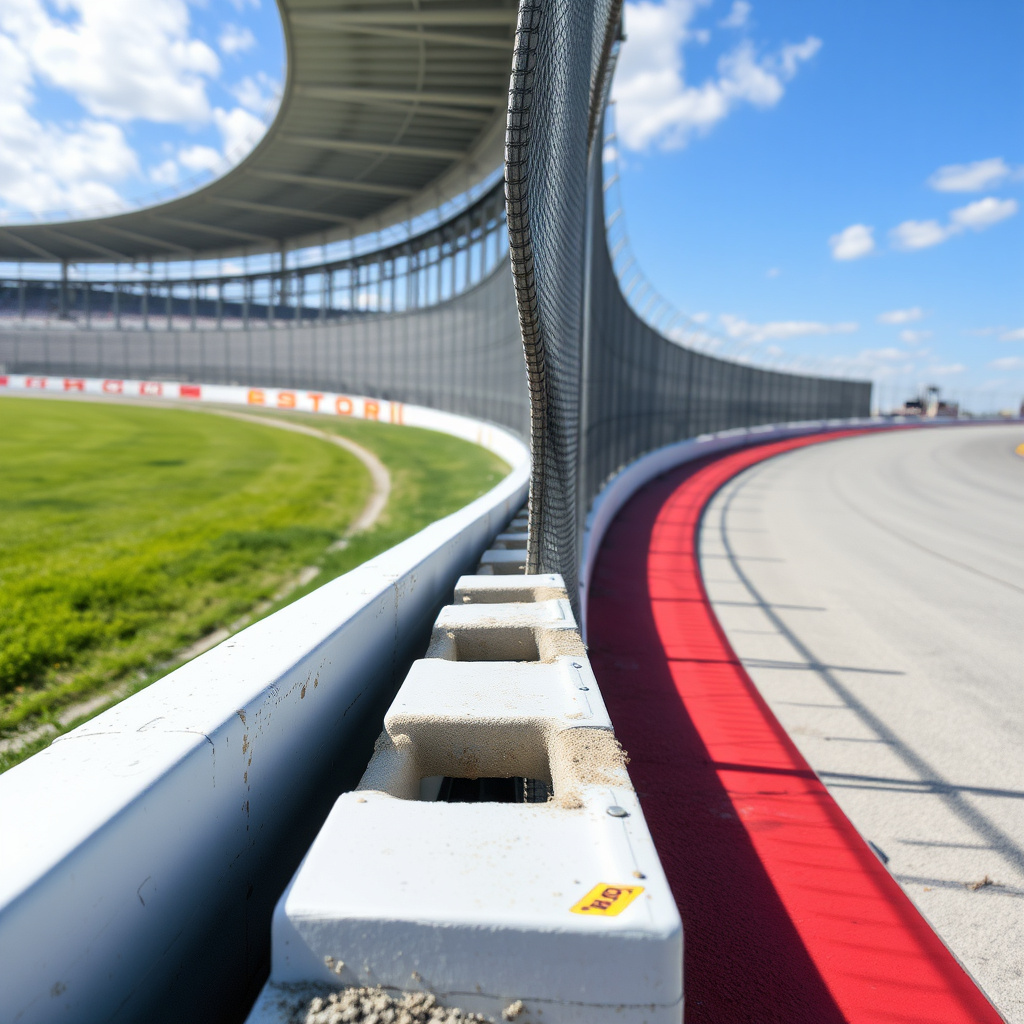
Track infrastructure safety improved in parallel with in-car protection, and the SAFER Barrier (Steel and Foam Energy Reduction) represents the most significant advance on that front. Developed by the University of Nebraska and first installed at Indianapolis Motor Speedway in 2002, SAFER Barriers replaced rigid concrete walls with a system of steel tubes backed by foam blocks. When a car hits a SAFER Barrier, the foam compresses and the steel tubes flex, absorbing and redirecting energy rather than reflecting it back into the car.
The difference in deceleration forces between hitting a concrete wall and hitting a SAFER Barrier at the same speed is substantial. NASCAR began requiring SAFER Barriers at all Cup Series venues, and the technology has since spread across oval racing globally.
The CATCH fence — the cable-and-post fencing system along the frontstretch — addresses a different problem: keeping cars and debris out of the grandstands. Early catch fences were relatively simple. Modern versions are engineered to absorb and redirect airborne vehicles, and they've been tested repeatedly by spectacular crashes that sent cars into the fence without injuring spectators. The system isn't perfect — debris still occasionally reaches the stands — but the engineering has improved significantly since the sport's early days, when a car leaving the track was a genuine threat to everyone nearby.
The Modern Safety Ecosystem: Next Gen Car and Beyond
The Generation 7 car, known as the Next Gen, debuted in the NASCAR Cup Series in 2022 and represents the most safety-integrated vehicle design in the sport's history. Unlike previous generations where safety was often retrofitted onto existing platforms, the Next Gen car was engineered with occupant protection as a foundational design requirement.
Key features include a reinforced cockpit structure with improved side-impact protection, a standardized composite body that manages energy absorption more predictably than the previous steel panels, and a redesigned seat mounting system. The car also incorporates roof flaps — panels that deploy automatically when a car goes airborne to prevent lift and reduce the risk of barrel rolls — and window nets that keep the driver's arms inside the cockpit during a rollover.
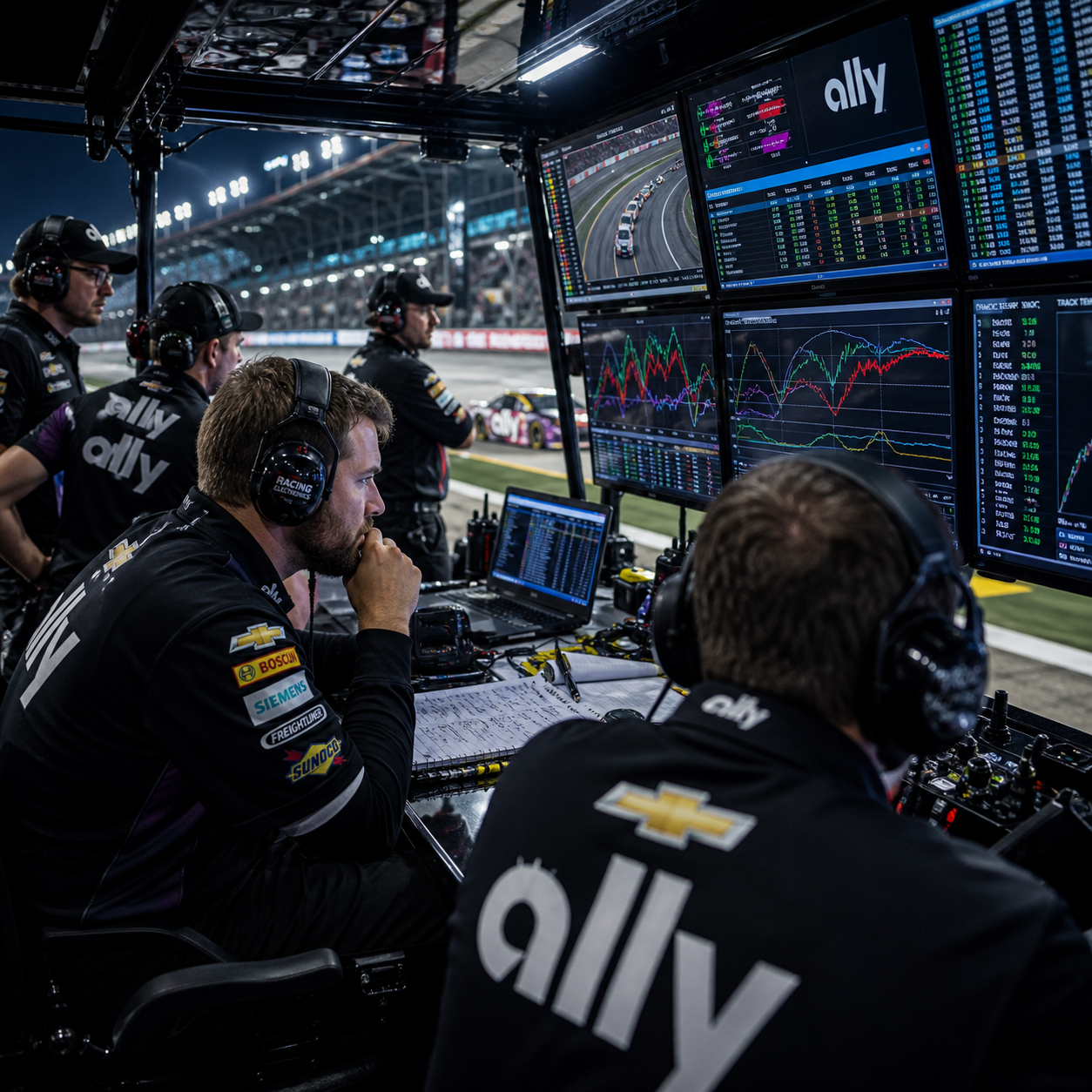
Onboard data systems now record crash forces in real time, giving NASCAR's safety team immediate information about the severity of an impact before medical personnel even reach the car. That data also feeds back into the R&D process, allowing engineers to identify stress points and refine future designs based on actual crash data rather than simulations alone.
The tension between driver autonomy and institutional mandates hasn't disappeared entirely. Drivers still push back on equipment they find uncomfortable or restrictive. But the cultural baseline has shifted: the default assumption in modern NASCAR is that safety systems exist for good reasons, and the burden of proof now falls on anyone arguing against them.
How Far Has NASCAR Really Come?
NASCAR is genuinely safer today than it was 30 years ago — and significantly safer than it was in its first two decades. The combination of mandatory HANS Devices, SAFER Barriers, improved roll cage standards, Nomex gear, and the Next Gen car's integrated safety design has eliminated several categories of injury that were once routine.
That progress deserves acknowledgment without becoming self-congratulation. High-speed oval racing remains dangerous. Drivers still sustain concussions, broken bones, and serious injuries. The 2021 crash at Talladega that sent Ryan Newman's car airborne, or the fires that have periodically trapped drivers in damaged cars, are reminders that no engineering solution eliminates risk entirely.
What's changed is the institutional relationship with that risk. NASCAR now has a dedicated research center, mandatory safety standards that apply uniformly across the field, and a culture that treats safety engineering as a competitive and moral priority rather than an afterthought. The sport got there the hard way — through losses that didn't have to happen. But it got there.
Frequently Asked Questions
What is the HANS Device and why is it important in NASCAR?
The HANS Device (Head and Neck Support) is a carbon-fiber restraint that connects a driver's helmet to their shoulder harness, preventing the head from jerking forward violently in a frontal crash. It became mandatory in NASCAR in 2001 following a series of fatal basilar skull fractures, including Dale Earnhardt Sr.'s death at the Daytona 500. No NASCAR national series driver has died from a basilar skull fracture since the mandate took effect.
When did NASCAR make fire suits mandatory?
NASCAR phased in Nomex fire-resistant suit requirements over several years, with full enforcement across the Cup Series solidifying through the 1970s and 1980s. Modern NASCAR fire suits are multi-layer Nomex garments rated to provide meaningful protection for several seconds in a fuel-fed fire — enough time for suppression systems and safety crews to respond.
What safety changes came after Dale Earnhardt's death?
Earnhardt's death in February 2001 accelerated several reforms that had been under discussion. NASCAR mandated the HANS Device within months, accelerated the installation of SAFER Barriers at Cup Series tracks, and established the NASCAR Research and Development Center in 2003 to provide an ongoing institutional focus on safety engineering.
How do SAFER Barriers work?
SAFER Barriers (Steel and Foam Energy Reduction) use a combination of steel tubes and foam blocks mounted in front of concrete walls. When a car impacts the barrier, the foam compresses and the steel flexes, absorbing kinetic energy and reducing the deceleration forces transmitted to the driver. The system was developed at the University of Nebraska and first installed at Indianapolis Motor Speedway in 2002.
Is NASCAR safer today than it was 30 years ago?
Yes, measurably so. The combination of mandatory head and neck restraints, energy-absorbing track barriers, improved cockpit structures, and integrated safety design in the Next Gen car has eliminated several injury patterns that were once common. Serious injuries still occur, but the frequency and severity of life-threatening crashes has declined significantly since the early 2000s reforms.