




How Aerodynamics Shape Every Lap in NASCAR

Watch a NASCAR race long enough and you start noticing patterns that don't make obvious sense. A driver with a faster car gets stuck behind a slower one and can't pass. Two cars running nose-to-tail suddenly pull away from the field. A slight bump sends a car spinning without any wall contact. All of it traces back to the same root cause: aerodynamics. Air is the invisible force that governs nearly every decision made on a NASCAR race weekend, from the garage to the pit box to the cockpit.

The Basics: What Aerodynamics Actually Does to a Race Car

Aerodynamics in NASCAR is the management of two competing forces — downforce and drag — to make a car as fast and stable as possible. Downforce pushes the car into the track surface, improving grip. Drag is the air resistance that slows the car down. Every aero decision is a trade-off between the two.

Downforce works like an inverted wing. As air flows over and under the car, pressure differences create a net force pushing the car downward. More downforce means more mechanical grip through corners, which lets drivers carry higher speeds without losing control. The catch is that the same shapes generating downforce also increase drag, which costs top speed on straightaways.

At 180 mph, aerodynamic forces dwarf the effects of suspension tuning or tire pressure. A NASCAR Cup Series car generates significant downforce even at relatively modest speeds, which is why aero setup — not just horsepower — determines whether a car is genuinely competitive on a given weekend.

Key Aero Components on a NASCAR Cup Car

The major aero components on a NASCAR Cup car each serve a specific function, and understanding what they do explains a lot about why the cars look the way they do.

  • Splitter: The flat panel extending from the front bumper. It manages airflow under the nose, generates front downforce, and helps keep the front end planted through corners. Teams adjust splitter height to tune front-end grip.
  • Spoiler: The blade mounted at the rear of the roof. It disrupts airflow off the back of the car to create rear downforce. Taller spoilers generate more downforce but also more drag — a direct illustration of the core aero trade-off.
  • Diffuser: Located in the underbody at the rear, the diffuser accelerates air flowing under the car and expels it cleanly. This creates a low-pressure zone beneath the car that effectively sucks it toward the track surface. The Next Gen car's underbody tunnel made the diffuser far more central to overall aero performance than it was in previous generations.
  • Side skirts: Panels along the lower sides of the car that seal the underbody from outside air, preserving the pressure differential the diffuser depends on. Damage to side skirts during contact can dramatically alter a car's handling balance mid-race.

These components work as a system. Changing one affects the others, which is why aero setup is iterative and why teams spend enormous time in pre-race practice dialing in the balance.

Downforce vs. Drag: The Setup Balancing Act

Teams tune aero packages differently depending on track type, because the optimal downforce-to-drag ratio changes completely between a superspeedway and a short track. At superspeedways like Daytona and Talladega, NASCAR mandates low-downforce, low-drag configurations. The goal is to keep speeds manageable while allowing drafting to play a central role in racing. Cars run minimal spoiler height and reduced front splitter angles.

At intermediate tracks — 1.5-mile ovals like Las Vegas or Charlotte — teams run medium downforce packages. Cornering grip matters more than raw top speed, so the balance shifts toward downforce without going to the extreme levels used on road courses.

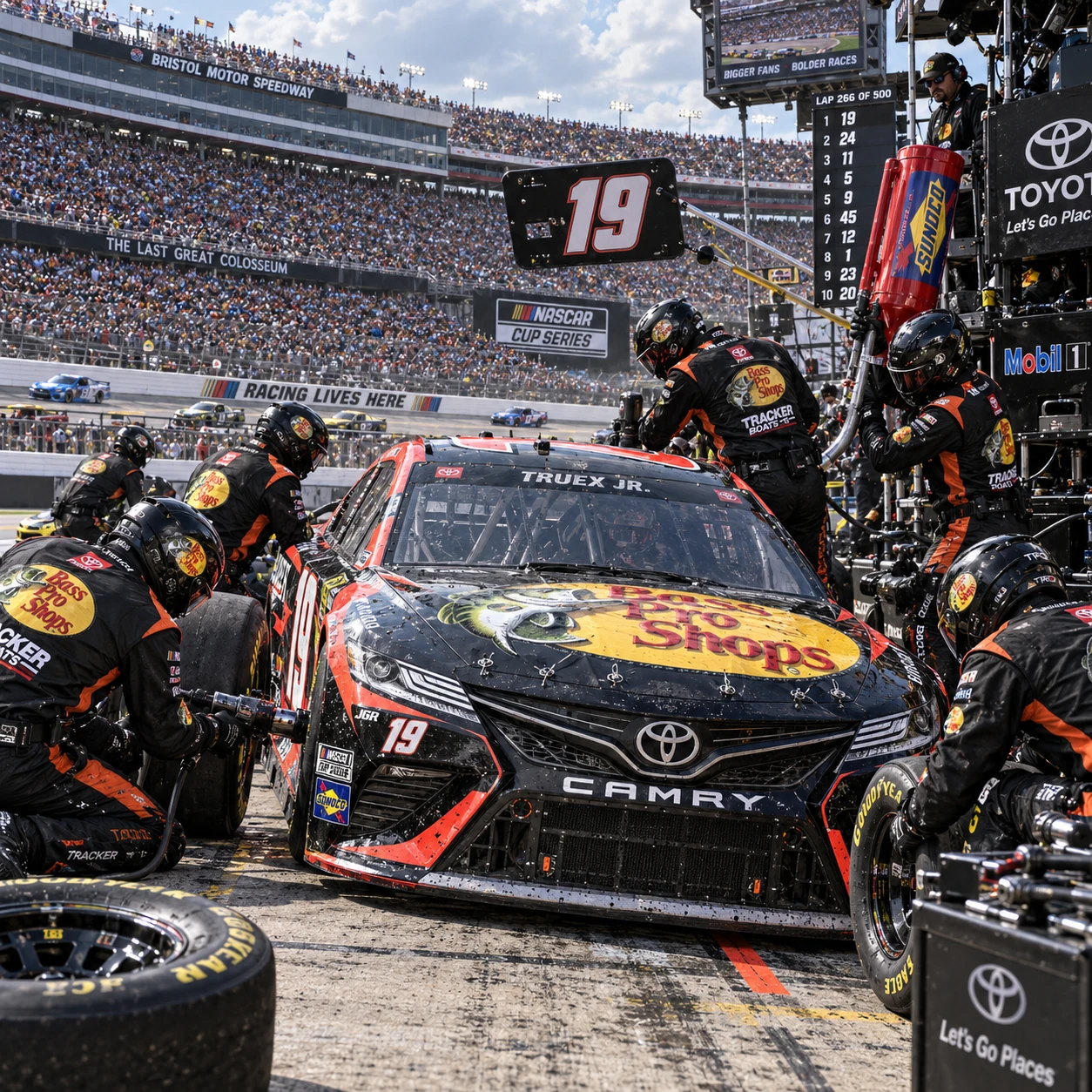
Short tracks like Bristol and Martinsville demand maximum mechanical grip and tight handling. Aero still matters, but its influence is reduced compared to longer tracks simply because speeds are lower and corners are tighter. The aero package at Bristol looks almost nothing like what runs at Talladega.

This is why NASCAR fans sometimes notice that a team dominant at one track type struggles at another. The car that's perfectly balanced for a 1.5-mile oval may be fundamentally compromised at a superspeedway without significant aero changes.

Drafting and Pack Racing: Aerodynamics in Motion

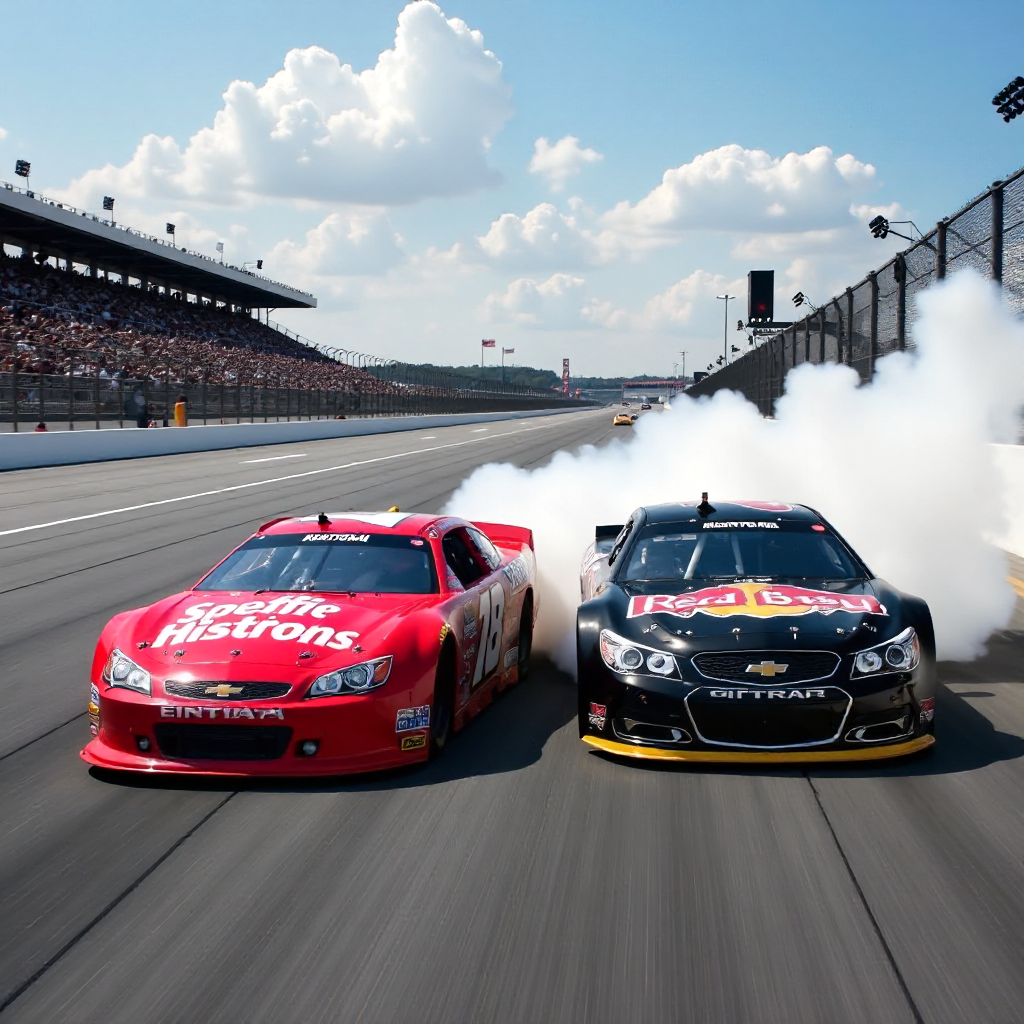
Drafting — also called slipstreaming — is what happens when one car follows closely behind another and benefits from the reduced air pressure in its wake. The lead car punches a hole through the air; the trailing car slides into that low-resistance pocket and requires less engine power to maintain the same speed. At Daytona and Talladega, this effect is so pronounced that a single car running alone is measurably slower than two cars running in tandem.

The classic slingshot move exploits this physics directly. A trailing driver tucks behind the leader, builds momentum in the draft, then pulls out and uses that stored energy to accelerate past before the lead car can respond. It's not a driving trick — it's applied fluid dynamics.

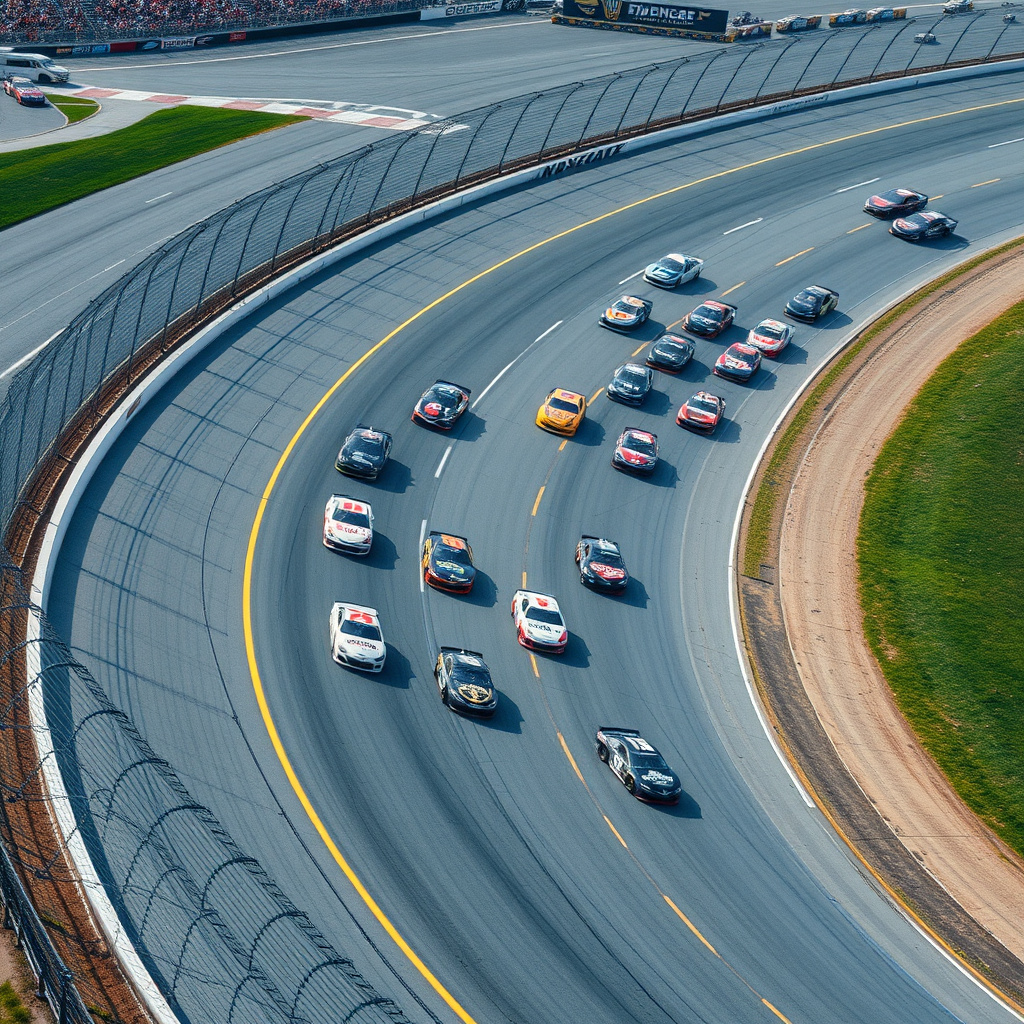
Pack racing at superspeedways takes drafting to its logical extreme. With restrictor plates (now called tapered spacers) limiting engine output, the speed advantage from drafting becomes so significant that cars naturally cluster into large groups. This produces the multi-car tandems and freight-train formations that define Daytona 500 racing. It also creates the volatility fans know well: when one car in a tight pack loses control, the cars behind have almost no time or space to react.

How the Next Gen Car Changed NASCAR's Aero Game

The Next Gen car, introduced in the 2022 NASCAR Cup Series season, represented the most significant aerodynamic overhaul in decades. The stated goal was competitive parity — reducing the advantage that well-funded teams could gain through proprietary aero development.

The most consequential change was the shift to a single-source aero package. Body panels, the underbody tunnel, and key aero components are now spec parts supplied by NASCAR-approved vendors. Teams can no longer fabricate custom body shapes optimized through thousands of hours of wind tunnel testing. The playing field narrowed considerably.

The underbody tunnel — essentially a structured channel running beneath the car — became the primary downforce-generating mechanism in the Next Gen design. This moved NASCAR closer to open-wheel racing philosophy, where underbody aero dominates over surface aero. The diffuser at the rear of the tunnel became critical to overall car balance in a way it simply wasn't before.

The transition wasn't seamless. Teams spent the first season learning how the new aero platform behaved in traffic, particularly how the underbody tunnel reacted to the turbulent air generated by other cars. Some drivers found the Next Gen car more sensitive to aero disturbance than its predecessor, which fed directly into the dirty air problem.

Why Dirty Air Is Every Driver's Enemy

Dirty air is the turbulent, disrupted airflow that trails behind a moving race car. When a following car drives into this turbulence, its own aero components — particularly the front splitter and underbody — stop working as designed, because they depend on smooth, predictable airflow to generate downforce.

The practical effect is significant. A car running two or three car-lengths behind the leader can lose a meaningful portion of its front downforce, causing the front end to push (understeer) through corners. The driver has to slow down or risk losing control. This is why passing on intermediate tracks is genuinely difficult — the faster car has to get close enough to attempt a pass, but getting close degrades its own handling.

Dirty air shapes race strategy in ways casual fans might not immediately recognize. It's why drivers often prefer to run in clear air rather than directly behind a competitor, even if that means temporarily losing track position. It's also why pit strategy and restarts matter so much — clean air at the front of the field is a tangible performance advantage, not just a psychological one.

Aero Development: Wind Tunnels, CFD, and the Rulebook

Teams develop aero performance through two primary tools: physical wind tunnel testing and computational fluid dynamics (CFD) simulation. Wind tunnels allow engineers to measure actual airflow over scale or full-size car models. CFD uses software to model airflow mathematically, allowing teams to test hundreds of configurations without building physical parts.

NASCAR regulates both. The sanctioning body limits the number of wind tunnel hours teams can use per season, which is a direct attempt to prevent large-budget teams from simply outspending smaller ones on aero development. CFD usage is also monitored, though enforcement is more complex given how widely the tools vary.

Within those limits, teams still find legal advantages. Minor adjustments to panel gaps, surface textures, and component positioning can produce measurable gains. The NASCAR Cup Series rulebook runs to hundreds of pages partly because the history of the sport is a continuous cycle of teams finding aero loopholes and NASCAR closing them.

The tension between parity and innovation is genuinely unresolved. NASCAR wants close racing and a level field. Teams want every legal edge they can find. Aerodynamics is where that tension plays out most visibly, and it's unlikely to change anytime soon.

Frequently Asked Questions

What is downforce and why does NASCAR need it?

Downforce is the aerodynamic force pushing a car toward the track surface. NASCAR cars need it because at racing speeds, tires alone can't generate enough grip to corner safely. Downforce multiplies the effective weight on the tires, allowing drivers to maintain control at speeds that would otherwise be impossible.

Why do NASCAR cars look different at Daytona than at Bristol?

The aero package changes based on track type. At Daytona, cars run low-drag configurations with minimal spoiler height to manage speeds and enable drafting. At Bristol, teams run higher downforce setups suited to tight, slow corners. The body panels are the same spec parts, but the configuration and trim angles differ significantly.

What is dirty air and how does it affect passing?

Dirty air is the turbulent wake left behind a moving car. When a following car enters this turbulence, it loses front downforce and handling balance, making it harder to drive fast through corners. This is the primary reason passing on intermediate tracks is difficult — the car attempting to pass is aerodynamically compromised the moment it gets close enough to try.

How does drafting work at superspeedways?

Drafting works because the lead car creates a low-pressure pocket in its wake. A trailing car in that pocket faces less air resistance and can maintain speed with less engine effort. Two cars drafting together are faster than either car running alone, which is why superspeedway racing produces the tandem and pack formations fans see at Daytona and Talladega.

What changed aerodynamically with the Next Gen car?

The Next Gen car shifted to spec aero components to reduce the advantage large-budget teams could gain through custom development. The underbody tunnel became the primary downforce source, moving NASCAR's aero philosophy closer to open-wheel racing. Teams lost the ability to fabricate proprietary body shapes, which was the single biggest change to how aero development works in the Cup Series.

{{HOMEPAGE_LINKS}}