






The Business Side of NASCAR: How Sponsorships and Economics Shape the Sport

NASCAR runs on speed, but the sport’s business depends on a network of relationships. Teams need funding to build and race cars; sponsors seek meaningful exposure and customer connections; tracks and broadcasters bring the action to fans. Understanding how those pieces fit together explains why a sponsor’s logo can matter on race day, and why commercial decisions can shape a team’s plans long before the green flag.
How NASCAR’s Business Model Works
NASCAR’s business model connects the sanctioning body, teams, race tracks, broadcasters, sponsors, and fans through competition and commercial agreements. Each participant contributes something the others need, from the race itself to access, coverage, or an audience.
NASCAR organizes and promotes series such as the NASCAR Cup Series, sets sporting and technical rules, and develops commercial relationships around the sport. Race tracks host events and sell tickets and hospitality. Broadcasters pay for the rights to show races, while corporate sponsors support teams, drivers, events, or NASCAR properties in exchange for agreed marketing benefits.
Fans tie the system together. They attend races, watch broadcasts, follow drivers, buy licensed merchandise, and interact with sponsor campaigns. That attention has commercial value, but it is not automatic: sponsors want to reach the right audience and give fans a reason to notice or engage with a brand.
The money flows through different agreements rather than one shared pot. A team sponsorship is not the same as a track’s event revenue or NASCAR’s broadcast-rights income. The details vary by season and contract, so the sport is best understood as an interconnected commercial ecosystem, not a single business with identical finances at every level.
What Sponsors Get from NASCAR
Corporate sponsors get brand exposure, an association with teams or drivers, and opportunities to connect with NASCAR fans. A sponsorship agreement usually defines the assets a partner can use and the promotional work expected in return.
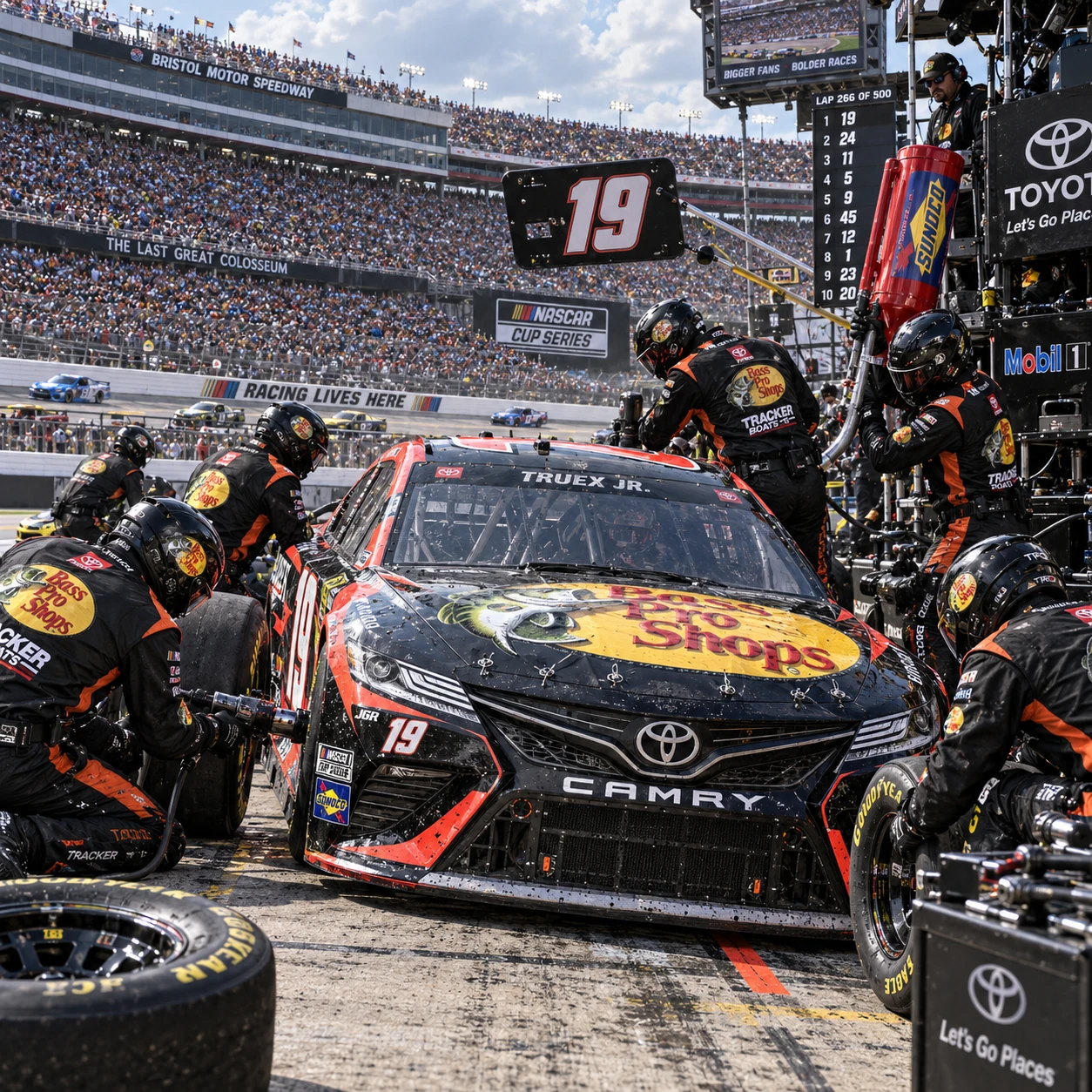
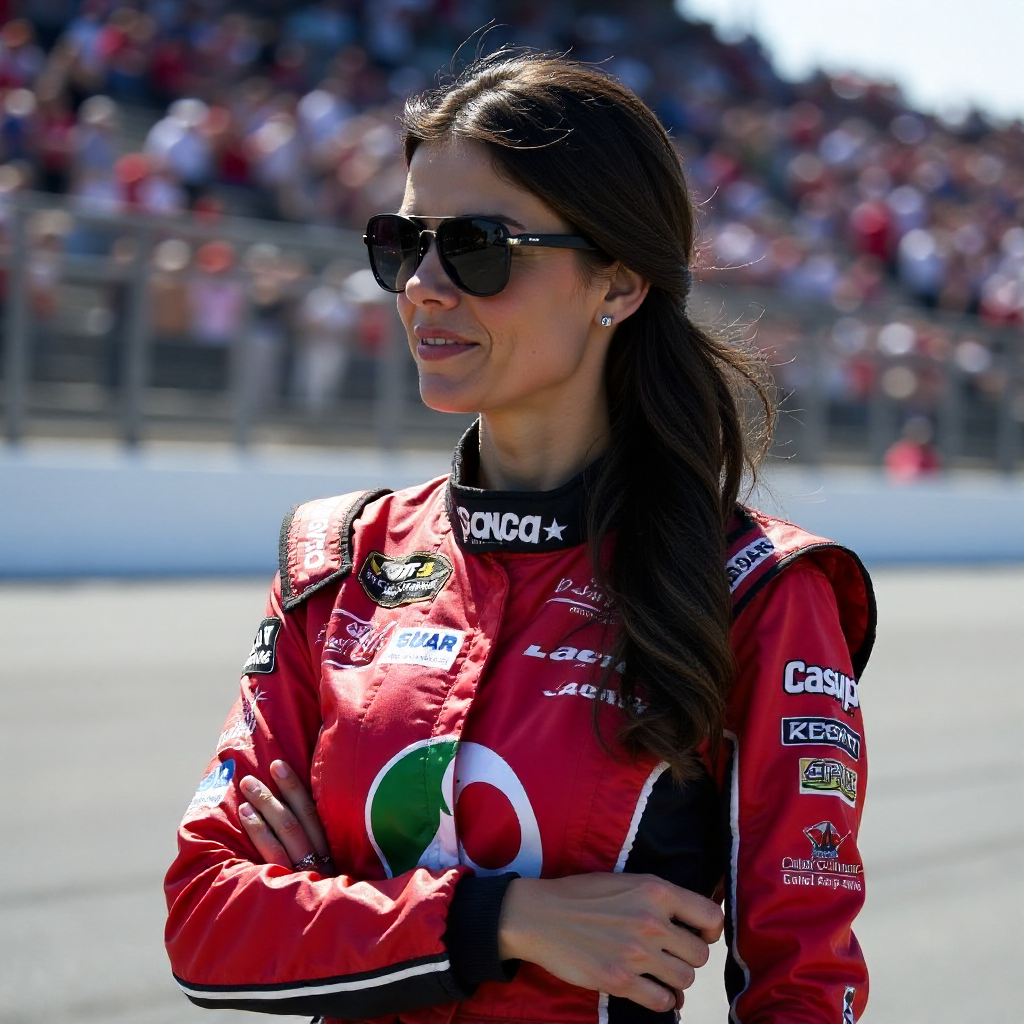
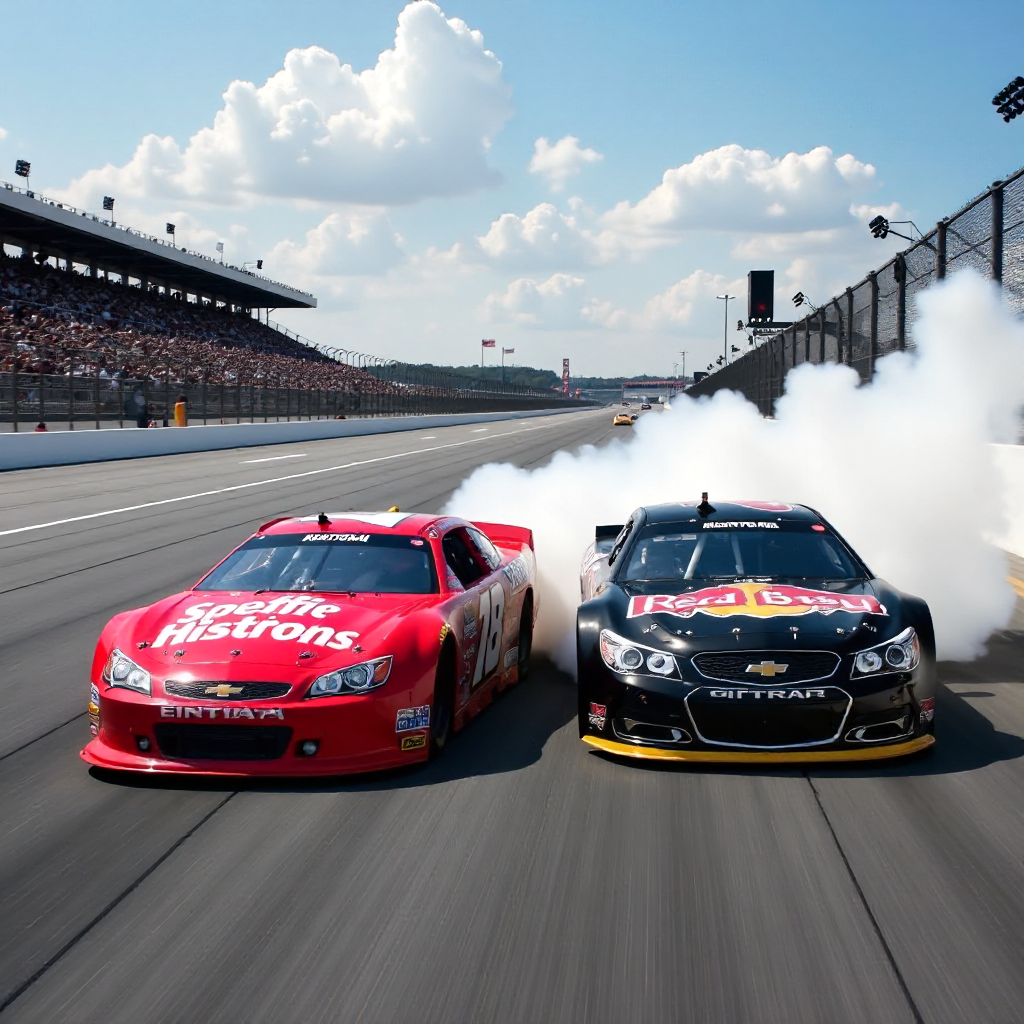
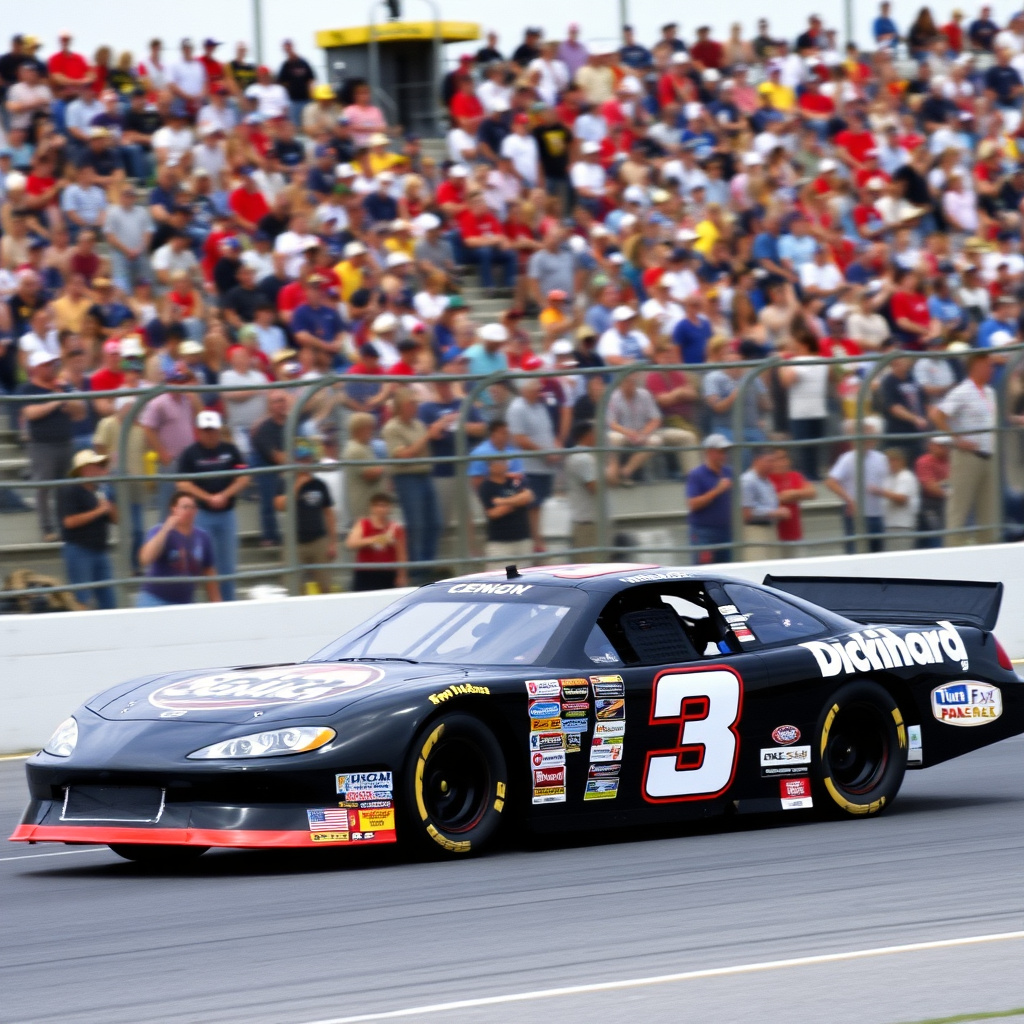
The familiar car livery is only one part of the package. Depending on the deal, a sponsor may receive branding on a driver’s firesuit, team uniforms, pit equipment, transporters, or digital channels. Partners may also use a driver’s name, image, or participation in advertising, subject to the agreement and schedule. Race broadcasts can put those assets in view, though how much exposure a sponsor receives depends on coverage, performance, and the race itself.
Brand activation turns that visibility into an experience or action. A company might host customers at a race, run a fan promotion, offer a branded display at a track, or publish behind-the-scenes content with a driver. These efforts give a sponsor more to measure than a logo appearing on screen: audience interaction, event participation, and marketing response can all matter.
There is a trade-off. A high-profile association can raise awareness, but it does not guarantee sales or positive attention. Sponsors must choose partners whose audience and public image fit their goals, then plan activities that make sense to fans rather than treating the car as a moving billboard.
How Sponsorships Support Teams and Drivers
Sponsorships can help NASCAR teams pay for the people, equipment, and logistics required to compete, while supporting a driver’s commercial profile. Their value and structure differ across teams, drivers, races, and seasons.
A team may sell sponsorship for an entire season, a group of races, or a specific event. The deal could involve a primary sponsor with prominent car branding, or partners that receive smaller placements and other marketing rights. Some agreements also include hospitality, appearances, content, or licensing. These arrangements make it possible to tailor a package to a sponsor’s budget and marketing needs.
Funding can support team operations, but it should not be assumed that every sponsor pays the full cost of a race program. Teams may combine several partners with other commercial income, and the mix can change from one season to the next. A driver’s popularity may help attract attention, yet a strong personal following alone does not guarantee a funded seat; the sponsor must see a business case, and the team must deliver the promised rights.
For fans, the connection is easiest to see when a sponsor appears in multiple places: on the car, in a driver interview, and at a track activation. For the team, the work continues off track. Staff must service the agreement, coordinate appearances, provide approved content, and report on activity. Sponsorship therefore brings resources and obligations together.
The Costs Behind Competing
Race teams’ operating costs include car preparation, engineering, personnel, travel, equipment, and the logistics of running a race program. The exact budget depends on a team’s size, competitive goals, technical approach, and schedule.
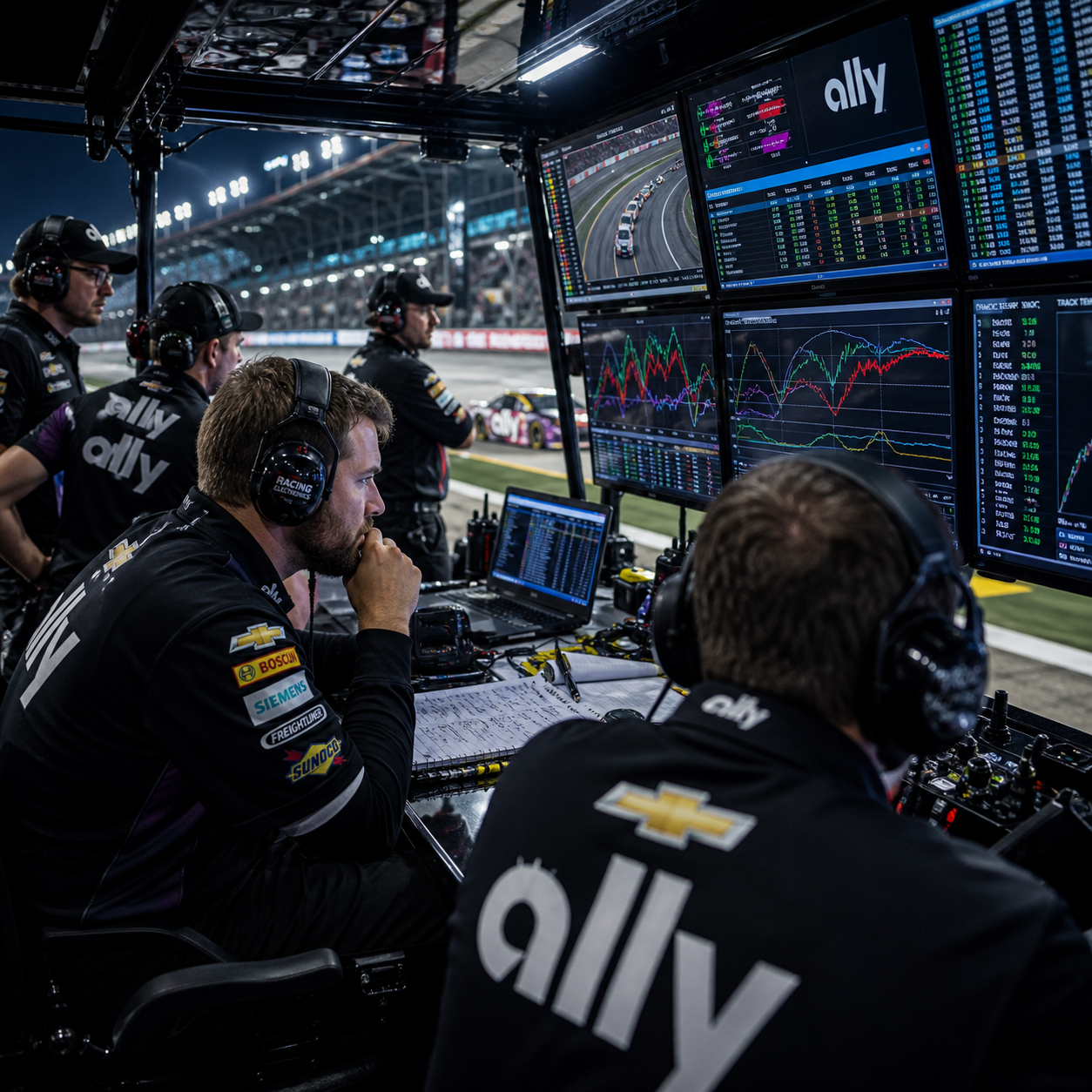
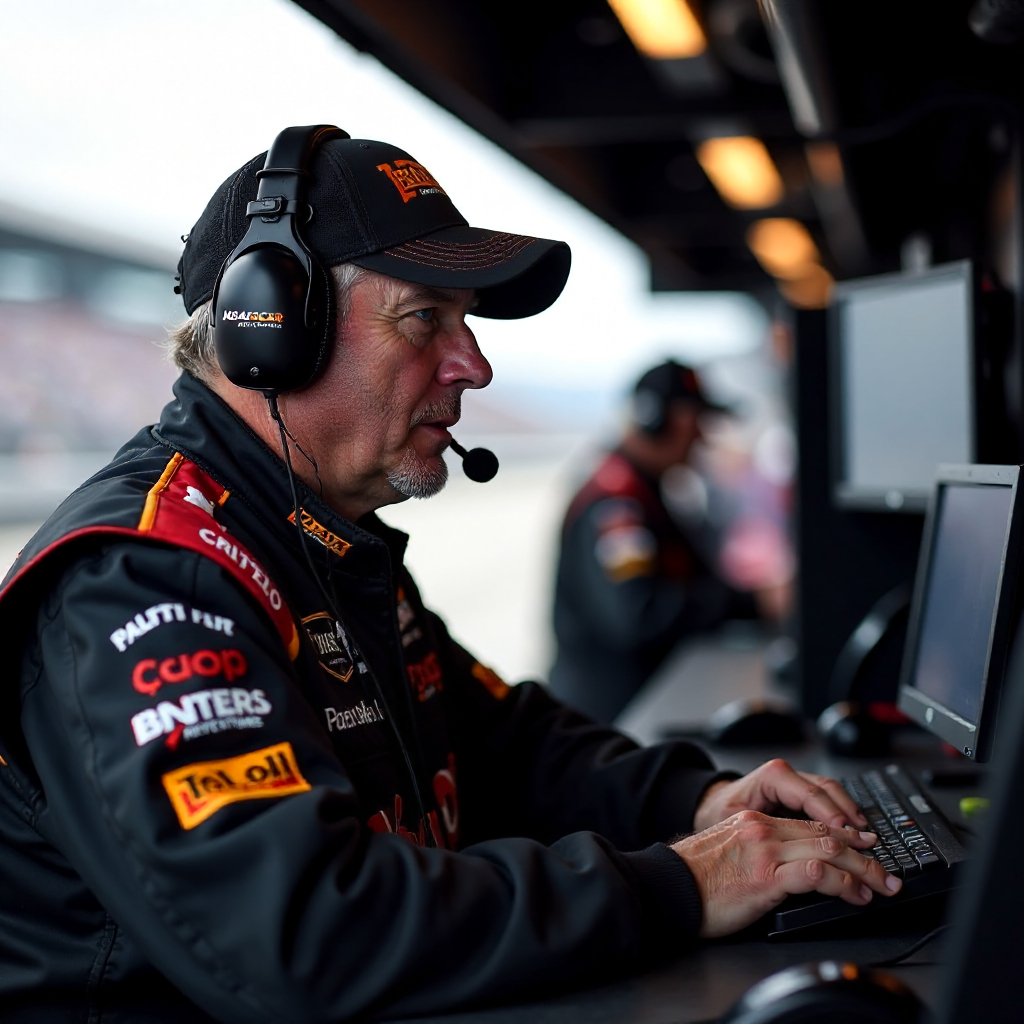
A race weekend requires far more than the car fans see on track. Teams prepare chassis and components, maintain engines and other equipment, analyze data, and make adjustments to meet NASCAR rules and track conditions. They also pay for skilled staff across areas such as engineering, fabrication, mechanics, and competition management. Transporters, tools, supplies, and travel add another layer of expense.
- Car and component preparation: chassis work, parts, repairs, and setup changes.
- People and expertise: drivers, crew members, engineers, and support staff.
- Travel and logistics: moving cars and equipment between tracks and supporting the team on the road.
- Testing, data, and compliance: technical preparation and work needed to compete within the rules.
These costs explain why a team’s commercial plan matters. A larger operation may maintain more resources, while a smaller team may need to prioritize carefully. Spending more does not guarantee better results; the challenge is to direct money and expertise toward areas that improve preparation and performance within the rules.
Beyond the Car: Other Revenue Streams
NASCAR’s economics extend beyond team sponsorships to broadcast rights, race events, and other commercial relationships. These sources operate at different levels and should not be confused with a team’s individual sponsorship income.
Broadcast rights allow media partners to televise races across agreed platforms and markets. In return, NASCAR and its commercial partners receive rights-related revenue under the relevant agreements. Broadcasters gain live sports content that can attract viewers and advertising; fans gain access to races without attending in person. The relationship also affects how and where coverage is presented, making media distribution an important part of the sport’s reach.
Tracks generate income through ticket sales, hospitality, concessions, and event-related offers, although each venue’s mix will differ. Race weekends also create opportunities for sponsors to meet customers, showcase products, and host guests. Merchandise and licensing provide further ways for fans to express their connection to drivers and teams, while brands can participate in the sport through a variety of official partnerships.
These revenue streams support a broader business, but they do not all flow directly to every team. A race track’s ticket sales, for example, are distinct from a team’s sponsorship contract. Keeping that distinction clear helps explain why NASCAR can have substantial commercial activity while teams still face their own funding challenges.
How the Economics Affect the Racing
NASCAR’s economics affect racing through team planning, sponsor expectations, and the resources available for competition. Commercial pressure can help teams operate, but it also creates commitments that must be balanced with performance.
Teams have to plan spending around the full season, not just one race. They weigh staffing, equipment, preparation, and travel against available funding and sponsor obligations. A deal that covers selected events may require different branding and activation plans from a season-long partnership. The practical question is whether a team can meet its commercial promises without undermining the work needed to prepare a competitive car.
Sponsor expectations can influence how teams present drivers and build fan engagement. Appearances, interviews, social content, and track hospitality take time, but they help protect the value of a partnership. A team that communicates clearly and delivers reliably has a stronger foundation for renewal; a sponsor that sees no meaningful connection with fans may reconsider its investment.
There is no single financial model for every organization. A well-funded team may have more depth in staffing or equipment, while another may rely on careful prioritization and a narrower partner base. Even so, the sporting rules create a shared framework for competition. Business resources matter, but execution, engineering, and decisions on race day still determine what teams do with them.
Frequently Asked Questions About NASCAR Economics
NASCAR economics can be easier to follow when the main commercial relationships are separated by role. These answers summarize how sponsorships, costs, and media rights fit together.
Why are sponsors important to NASCAR teams?
Sponsors can provide funding and commercial support that help teams operate, prepare cars, and meet season commitments. They also bring marketing opportunities and fan-facing activities, though sponsorship is only one part of a team’s financial picture.
What do sponsors get in return?
Depending on the agreement, sponsors may receive car and team branding, association with a driver, hospitality, promotional appearances, content, or track activations. The package is negotiated; no single set of benefits applies to every partnership.
What are some of the major costs of running a NASCAR team?
Major costs include car and component preparation, personnel, engineering, travel, transport, equipment, and technical preparation. The scale and balance of those costs vary by organization and competitive program.
How do broadcast rights fit into NASCAR’s business model?
Broadcast rights give media partners permission to show races under agreed terms and provide a commercial revenue stream connected to coverage. They also help bring NASCAR to viewers who cannot attend a race in person.